Art 1 Paints Fire

The Art 1 students have officially begun their acrylic painting unit with a small project designed to build confidence in handling a brush and understanding of one of the principles of art and design: contrast.

Before this assignment, students used acrylic paint to complete practice studies creating value and a color wheel in order to become familiar with mixing, blending, and handling the medium. With those foundations in place, their first small project challenged them to apply those skills in a focused and dramatic way: painting fire.

The subject of fire was chosen because it naturally requires students to create a strong glowing effect by balancing bright, saturated colors against deep, dark backgrounds. This exercise pushes students to think critically about value, layering, and edge work. It also helps them practice blending warm hues (red, orange, yellow) while still maintaining the bold differences that make the flames feel luminous.

Though small in scale, this project introduces students to essential acrylic techniques they will continue to use throughout the unit: controlling paint opacity, mixing a wide range of values, and using contrast to create visual impact. The results are dynamic, eye-catching, and an exciting first step into acrylic painting.

Revealed Layers with Advanced Art

New year, new blog style! You may notice a change in this blog: I’m moving away from posts with minimal text to more in-depth posts that highlight both student work and the learning behind it. These posts will give more context to the projects explaining the thought process, skills, and growth happening in my art classes. The goal is to provide a fuller picture of what my students are accomplishing while also documenting the teaching strategies and artistic experiences that make my program unique! Here we go:

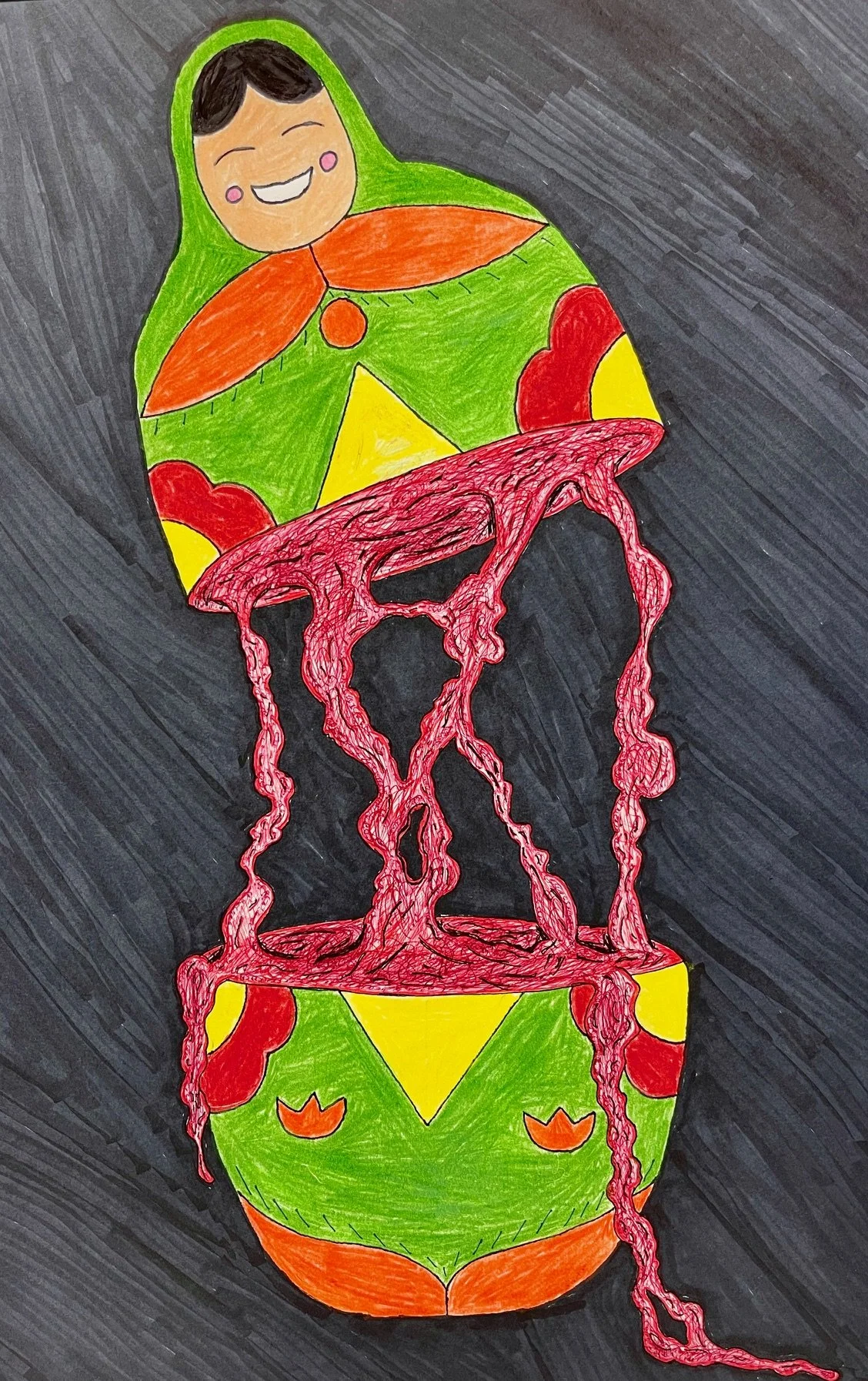
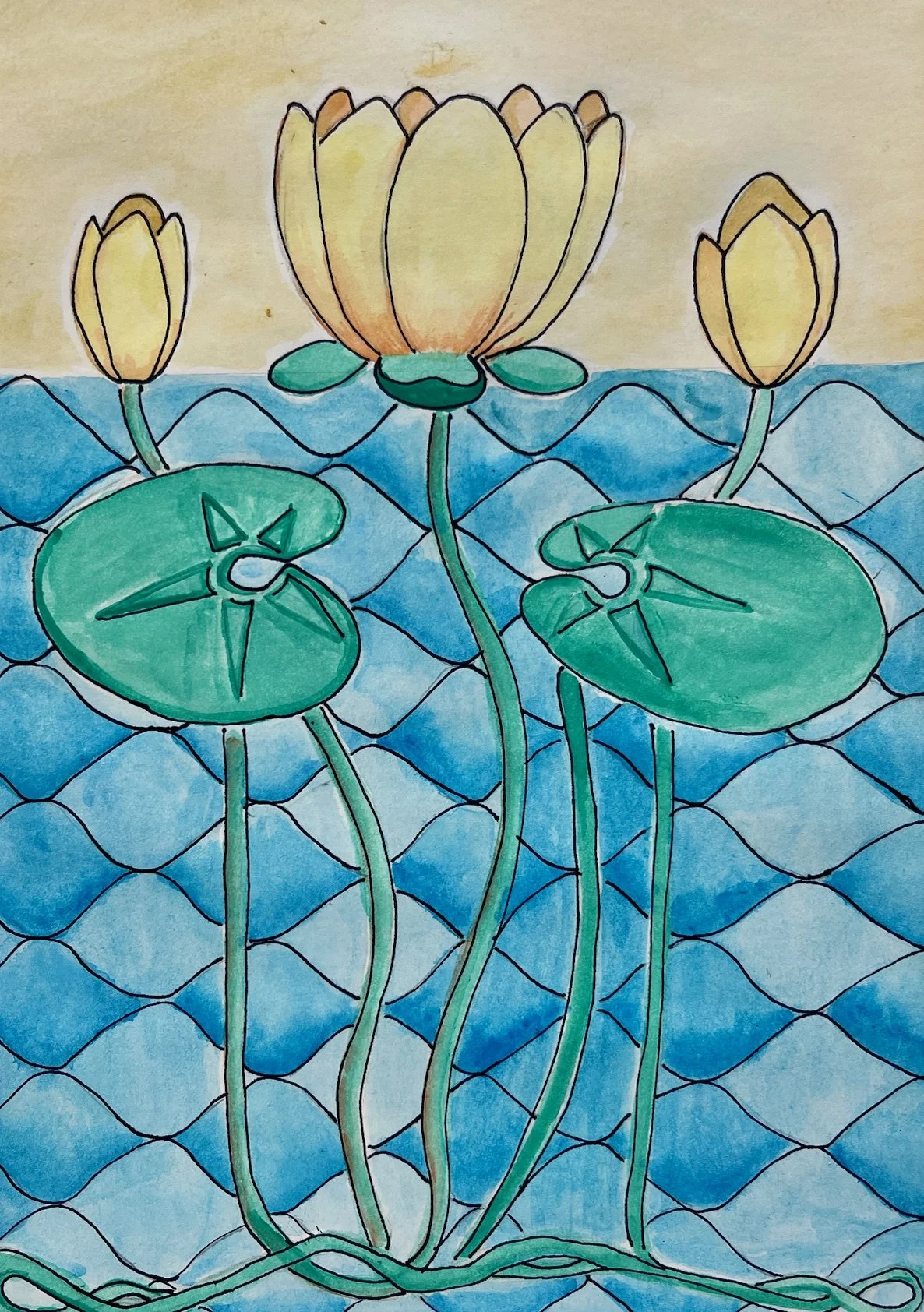
The Advanced Art students completed a project titled “Revealed Layers,” in which they combined colored pencils and markers. This assignment encouraged students to experiment with multiple drawing media while expressing their ideas about what lies beneath the surface.

Students chose subjects that allowed them to reveal hidden layers either literally, metaphorically, or both. Some explored their personal memories and identities through symbolism, some took a literal approach showing something being revealed, and others literally revealed layers by employing collage techniques to create actual depth.

Through this project, students not only developed their technical skills like mixing media, layering color, and building depth, but also strengthened their artistic voice, making deliberate choices about composition, narrative, and concept. The combination of colored pencils and markers allowed them to balance fine detail with bold, expressive areas of color.

“Revealed Layers” is an excellent example of how advanced students move beyond technical exercises into projects that challenge them to communicate ideas, evoke emotion, and showcase their unique creative perspectives. I’m proud of the thoughtfulness, risk-taking, and skill each student brought to this project.

Art Appreciation Class Trip

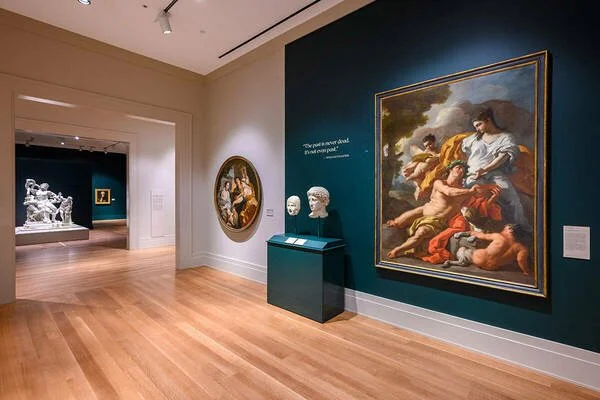
The Art Appreciation class visited the Raclin Murphy Museum of Art at the University of Notre Dame. This new museum, which opened in December 2023, houses an impressive collection of more than 30,000 works across painting, sculpture, textiles, prints, and contemporary installations.

During the visit, students explored the galleries together and reflected on key ideas we’ve been studying in class, including the elements and principles of art and design as well as the significant role that religion and spirituality have played in the history of artistic expression.

Seeing original works in person gave students a deeper appreciation of visual art than textbooks or slides can provide. We also considered the museum itself, how architecture, lighting, and layout affect the way art is experienced.

This field trip was a valuable opportunity for students to practice looking closely, asking questions, and engaging thoughtfully with art in a professional setting. Experiences like this encourage students to see art not just as images in a textbook, but as an opportunity to question, interpret, and find personal meaning.