Beginning the School Year with Art 1

One of the most exciting parts of teaching high school art is watching students take the skills we’ve practiced in small studies and apply them to a major project. My students completed their first big assignment of the semester: one-point linear perspective drawings. Understanding linear perspective not only makes drawings more realistic, but it also helps young artists think critically about space, depth, and composition.

Before beginning this project, we spent time doing drawing activities and studies to learn some of the building blocks of drawing: contour lines and line weight, proportion, shading to show form, and linear perspective. In this project, students combined those skills along with other depth cues like overlapping, size variation, and placement on the page to create spaces with a sense of realistic depth.

I love how this assignment gives students both structure and freedom: structure in the rules of perspective and basic drawing techniques, and freedom in the way they design their imaginary spaces. You can see their individual styles peek through.

I see perspective drawing as more than just a technical exercise. It’s a way to teach problem solving and build artistic confidence. My students will carry forward all of these important skills into every creative challenge this school year and beyond. I’m proud of their hard work, and I can’t wait to see how they apply these foundations in our upcoming projects.

Art Education - Careers in Art

In my Art Education course, I want future art teachers to actually teach, not just talk about teaching. As often as possible, I ask my students to design lessons and actually teach them. I think this is the best way for students to see the successes and especially the flaws of their lessons. For the most recent project, I asked students to design a lesson related to careers in art and then teach it to a real child.

Learning about art careers is a great starting point for an art lesson, helping young students picture their future and connect art to something tangible. The trick is taking a project that someone might create as an illustrator, animator, designer, etc. and turning it into something engaging and age-appropriate.

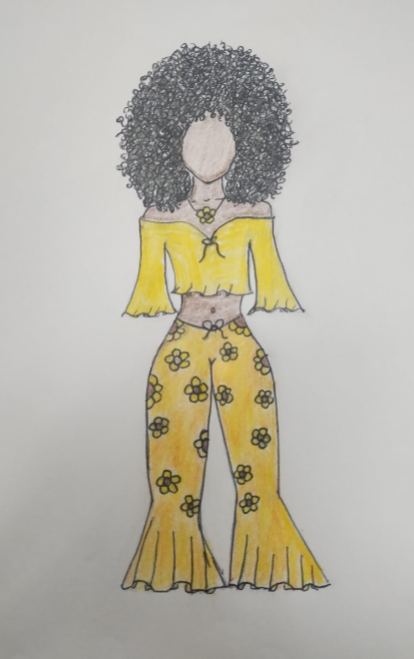
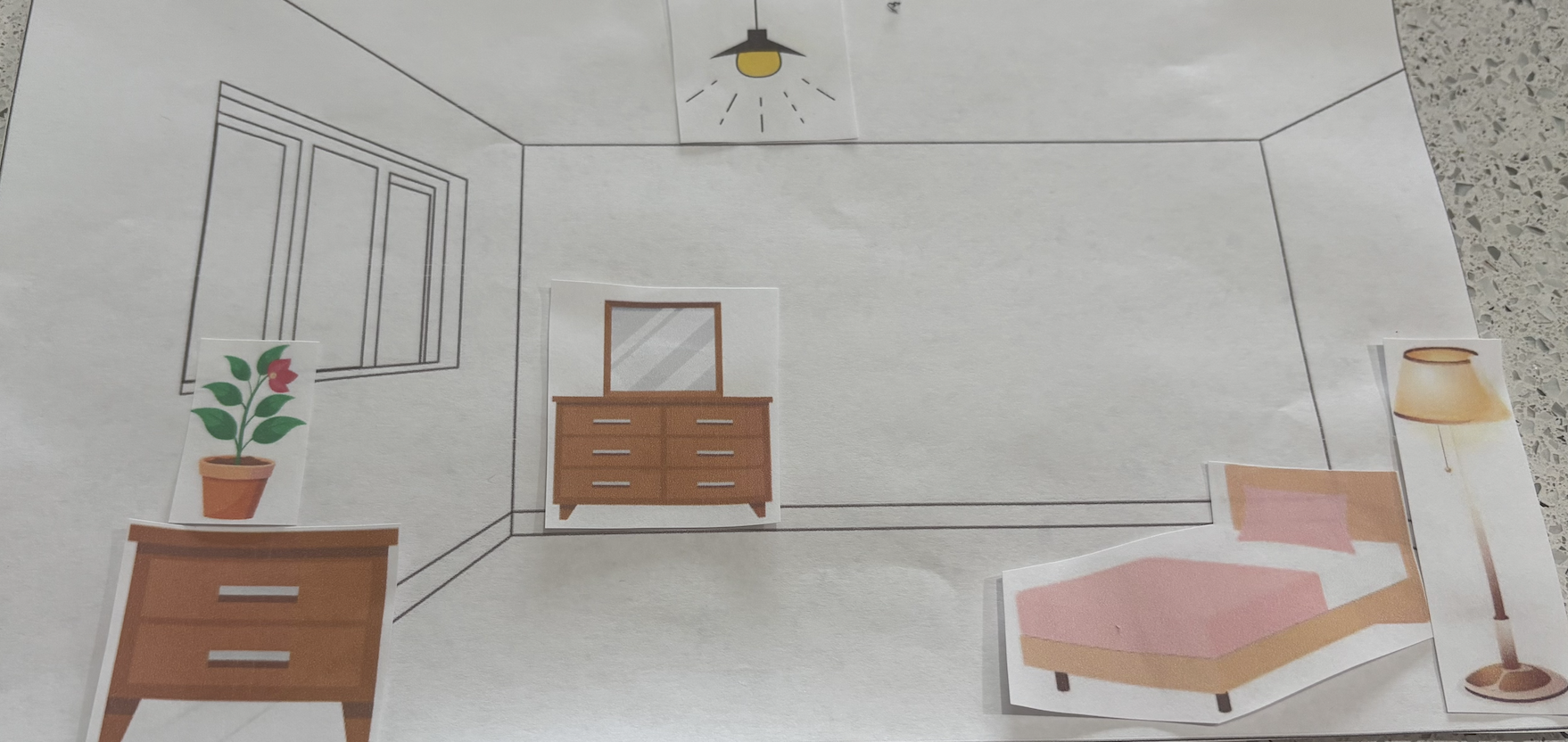
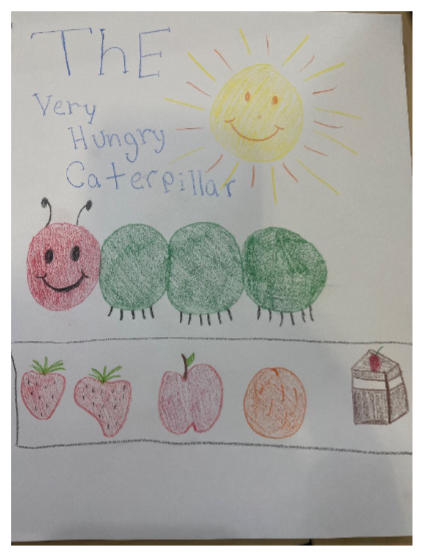
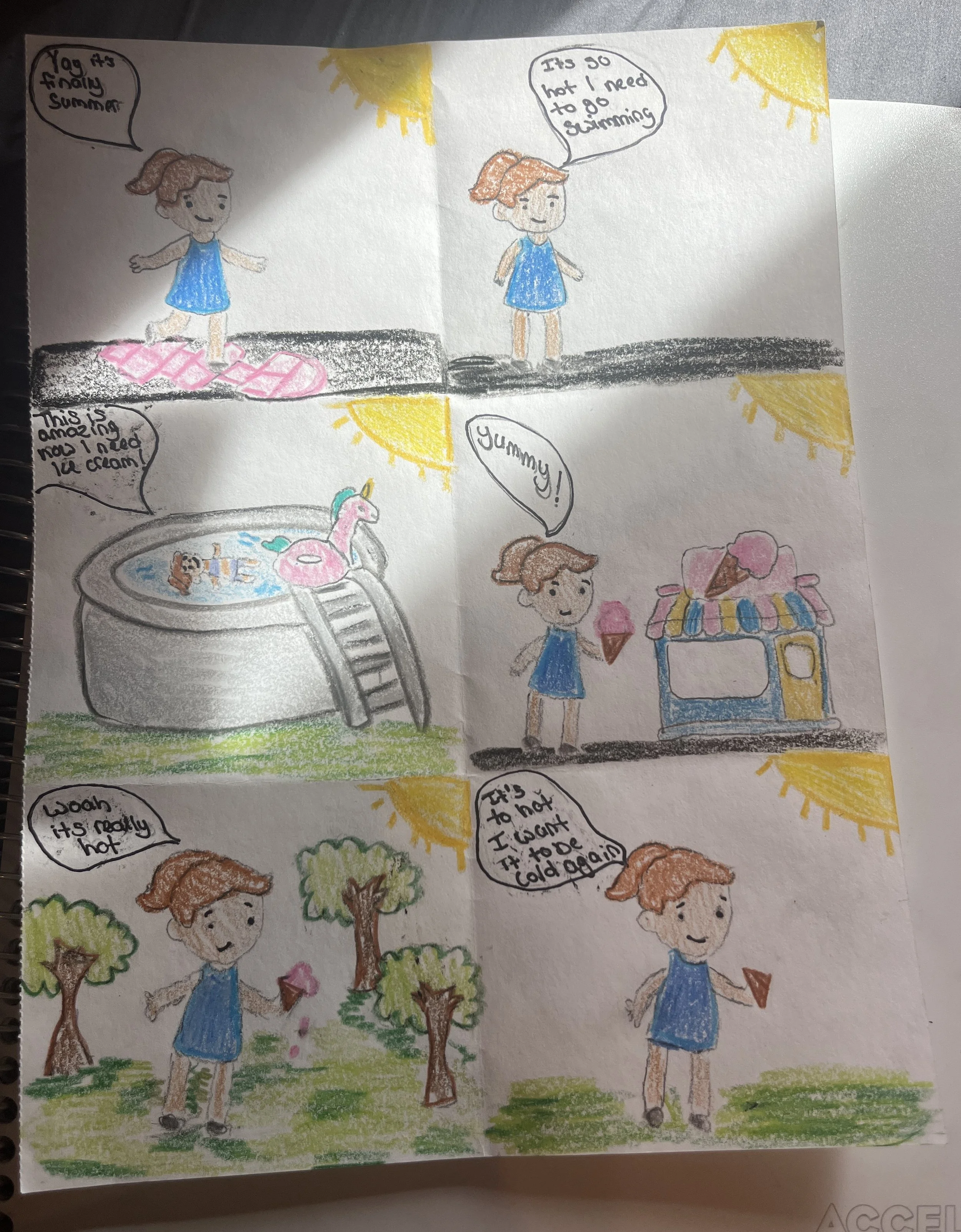
This assignment builds on my Art Education students’ ability to lesson plan. Additionally, they need to consider Lowenfeld’s stages of artistic development as well as the Michigan State Visual Arts Standards to help develop age appropriate lessons.

Teaching a real child changes everything. Plans don’t always work as expected, and my Art Education students had to adapt in the moment. This challenge is important. Creating new lessons as a new teacher involves making many mistakes and learning from them. After teaching, students reflected on what worked and what they would change if they taught the lesson again. These reflections were often the strongest part of the project. Students made thoughtful connections between their intentions and what actually happened, which is exactly the kind of thinking good educators need to develop.

Below are a few examples created by the kids that my Art Education students taught. Lessons taught about Fashion Design, Interior Design, and Illustration.

Box Factory Student Art Exhibition

Bridgman High School students exhibited their work at the Box Factory Student Art Exhibition in St. Joseph, MI. This annual event brings together student artists from across the region, showcasing a wide range of media and ideas from emerging young artists.

Many of our students displayed work in the exhibition, representing the skill, dedication, and creativity happening in our art program. Several Bridgman students also received special recognition:

  • Gavin B. earned Second Place in the 3D category. (Pictured below.)

  • Grace S. received both the Bridgman Community Award and the Robert R. Williams Portrait Award.

  • Carter B. was featured in the Emerging Artist category for high school seniors planning to pursue art at the college level. Carter will attend Lake Michigan College next year to study Art Education. (Pictured below.)

Opportunities like these not only celebrate achievement but also give students valuable experience sharing their work in a professional setting and engaging with the broader arts community. I want to congratulate all of our students who participated in this exhibition.

Spring Photography with Art 1

Spring is in the air! As part of our ongoing photography studies, students explored the season with an eye for color.

In Art 1, photography is integrated throughout the school year as a series of short projects, most of which students complete outside of class. We explore some fundamental aspects of photography beginning with technical camera basics, then light and shadow, composition, and finally color. These projects help students to develop a critical visual eye, experiment with photography, and get valuable feedback and insight from me and their peers.

This assignment encouraged students to build on their photography skills from this school year (like contrast and composition) and to think critically about color.

Hungerford Art Competition

Two Bridgman High School students were recognized in the Hungerford Art Competition, an annual event sponsored by Hungerford CPAs + Advisors. This competition provides an opportunity for Bridgman students to showcase their work in a professional setting. This year’s winners are:

  • Tierney T. (Sophomore)

  • Alexa C. (Freshman)

Both students’ artwork will be displayed at the Hungerford office in St. Joseph, MI, where it will be viewed by clients, staff, and community members.

Partnerships like this are invaluable in supporting arts education. They give students the chance to see their work recognized beyond the classroom, build confidence in their artistic abilities, and highlight the role of creativity in the broader community.

We are grateful to Hungerford CPAs + Advisors for their ongoing support of student artists, and we congratulate Tierney and Alexa on this achievement.