Portraiture with Art 1

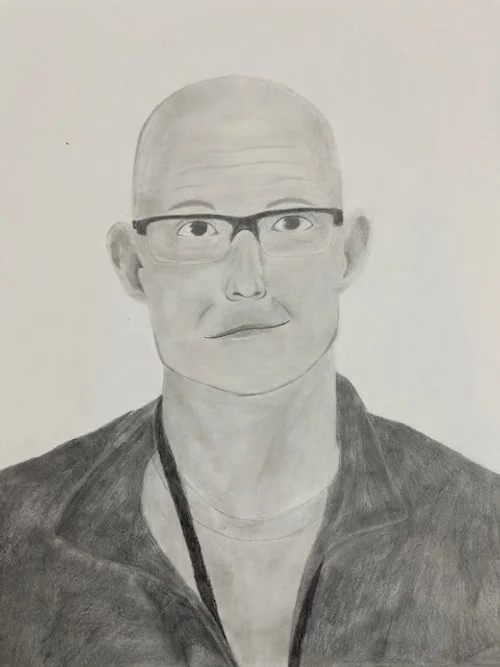
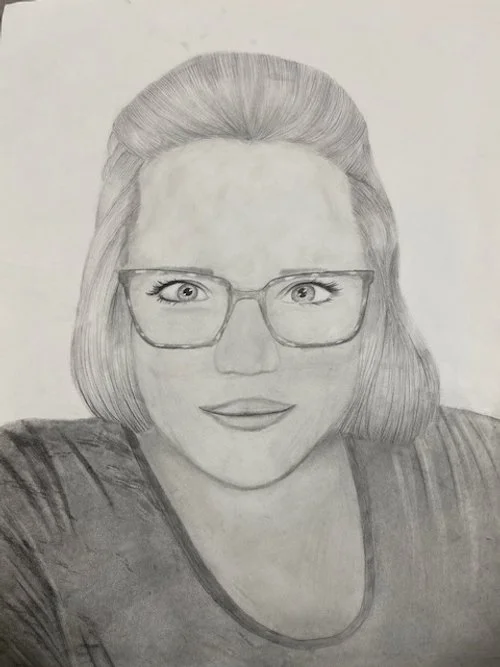
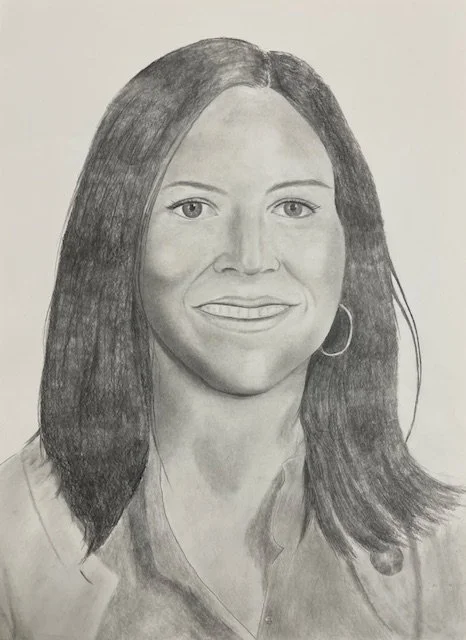
The Art 1 students just wrapped up their pencil portrait project. This is the culminating project of our Pencil Drawing Unit! This year the students drew school staff and teachers that will be displayed in the Media Center. This project brought together everything they’ve learned so far about perspective, proportion, and value.

Using the grid method, students carefully mapped out the outline for accuracy before diving into shading to create depth, texture, and realism. It’s been amazing watching them apply their skills from previous projects like the Linear Perspective Drawing and Still Life Drawing projects, as well as their practice assignments and drawing studies, to something as complicated and challenging as a portrait.

This project is always one of my favorites because it shows just how far they’ve come technically as artists in such a short time.

Former Student Success: Let My Engine Sing

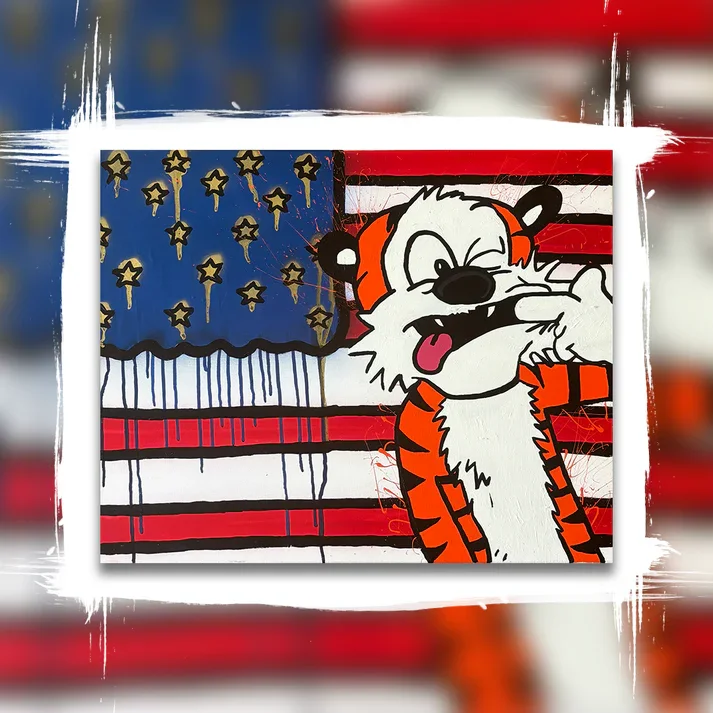
It’s always exciting to see former students taking their artistry into the real world, and I’m thrilled to share that one of my former students has just opened his own online store featuring his artwork and products. Check it out Let My Engine Sing. He is a perfect example of how dedication, creativity, and persistence lead to success. I’m so proud to have been part of his artistic journey and can’t wait to see what products he drops next!

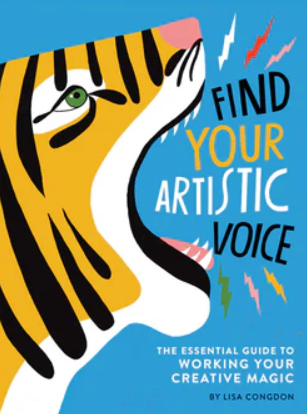
Find Your Artistic Voice by Lisa Congdon

One of the biggest things I want my Advanced Art students to walk away with beyond excellent technical skills is a sense of who they are as artists. That’s not an easy thing to figure out for adult artists, let alone high school students. That’s where Lisa Congdon’s Find Your Artistic Voice comes in.

I love this book because it makes the idea of “voice” in art feel approachable. Congdon makes it clear that artistic voice isn’t some magical gift you’re either born with or not. Instead it’s something you develop over time by trying things, messing up, experimenting, reflecting, and noticing what sticks with you.

Another reason I wanted this book in my classroom is because it connects us to the real, contemporary art world. Congdon shares stories from working artists, and students get to see that even professionals struggle with doubt, influence, and originality. They didn’t just wake up one day with a fully formed style. They worked through the same questions my students are asking in my classroom right now.

Ultimately, I chose this book because it gives us a shared language in the studio. We can talk not just about how to make art, but why, and that’s the real leap I want my students to make.

From Technique to Voice with Advanced Art

The Advanced Art students just wrapped up a project inspired by the word Happiness. Their challenge was to translate that theme into an art piece using their unique artistic voice, while also creating depth and dimension through shading with either pencil or colored pencil.

Unlike my introductory classes, where we focus heavily on the technical building blocks of drawing, this course leans more into style development and finding an artistic voice. We still practice fundamentals like value studies and shading to show depth, but the real emphasis is on how each artist uses those tools in their own unique way.

To support that process, this semester we’ve been reading Find Your Artistic Voice by Lisa Congdon. Her message that every artist has a voice worth developing is a touchstone for our class.

The “Happiness” projects reflect that beautifully. Some students leaned into bright, playful imagery that feels almost like a panel out of a manga or comic book, while others approached it with quiet, subtle symbolism. Every piece reveals a different interpretation of what joy looks like and showcases each student’s growing confidence in their personal style.

For me as a teacher, it’s inspiring to see students move beyond “how do I draw this?” into “how do I say something with my art?”

Beginning the School Year with Art 1

One of the most exciting parts of teaching high school art is watching students take the skills we’ve practiced in small studies and apply them to a major project. My students completed their first big assignment of the semester: one-point linear perspective drawings. Understanding linear perspective not only makes drawings more realistic, but it also helps young artists think critically about space, depth, and composition.

Before beginning this project, we spent time doing drawing activities and studies to learn some of the building blocks of drawing: contour lines and line weight, proportion, shading to show form, and linear perspective. In this project, students combined those skills along with other depth cues like overlapping, size variation, and placement on the page to create spaces with a sense of realistic depth.

I love how this assignment gives students both structure and freedom: structure in the rules of perspective and basic drawing techniques, and freedom in the way they design their imaginary spaces. You can see their individual styles peek through.

I see perspective drawing as more than just a technical exercise. It’s a way to teach problem solving and build artistic confidence. My students will carry forward all of these important skills into every creative challenge this school year and beyond. I’m proud of their hard work, and I can’t wait to see how they apply these foundations in our upcoming projects.