Happiness Project with Advanced Art
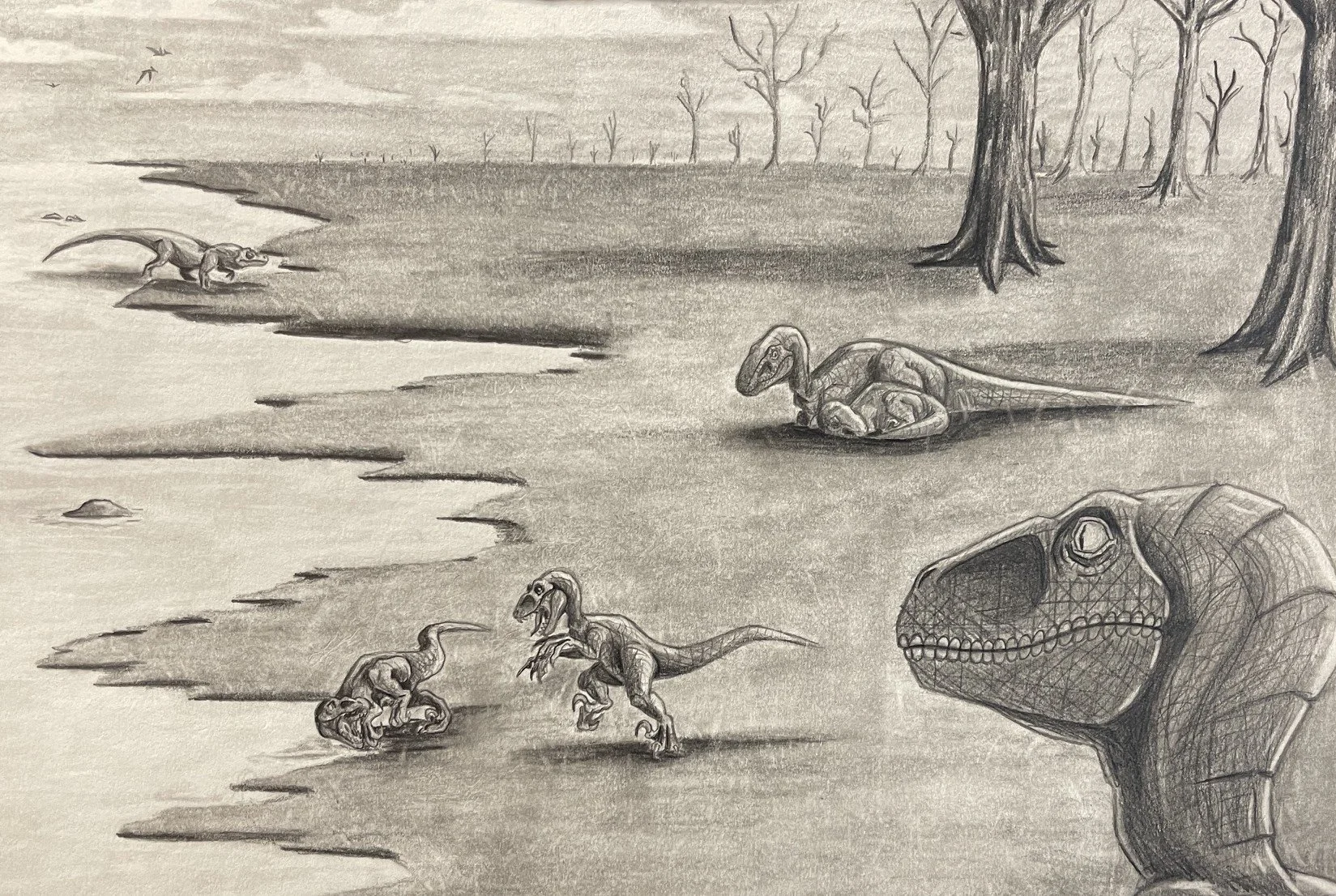
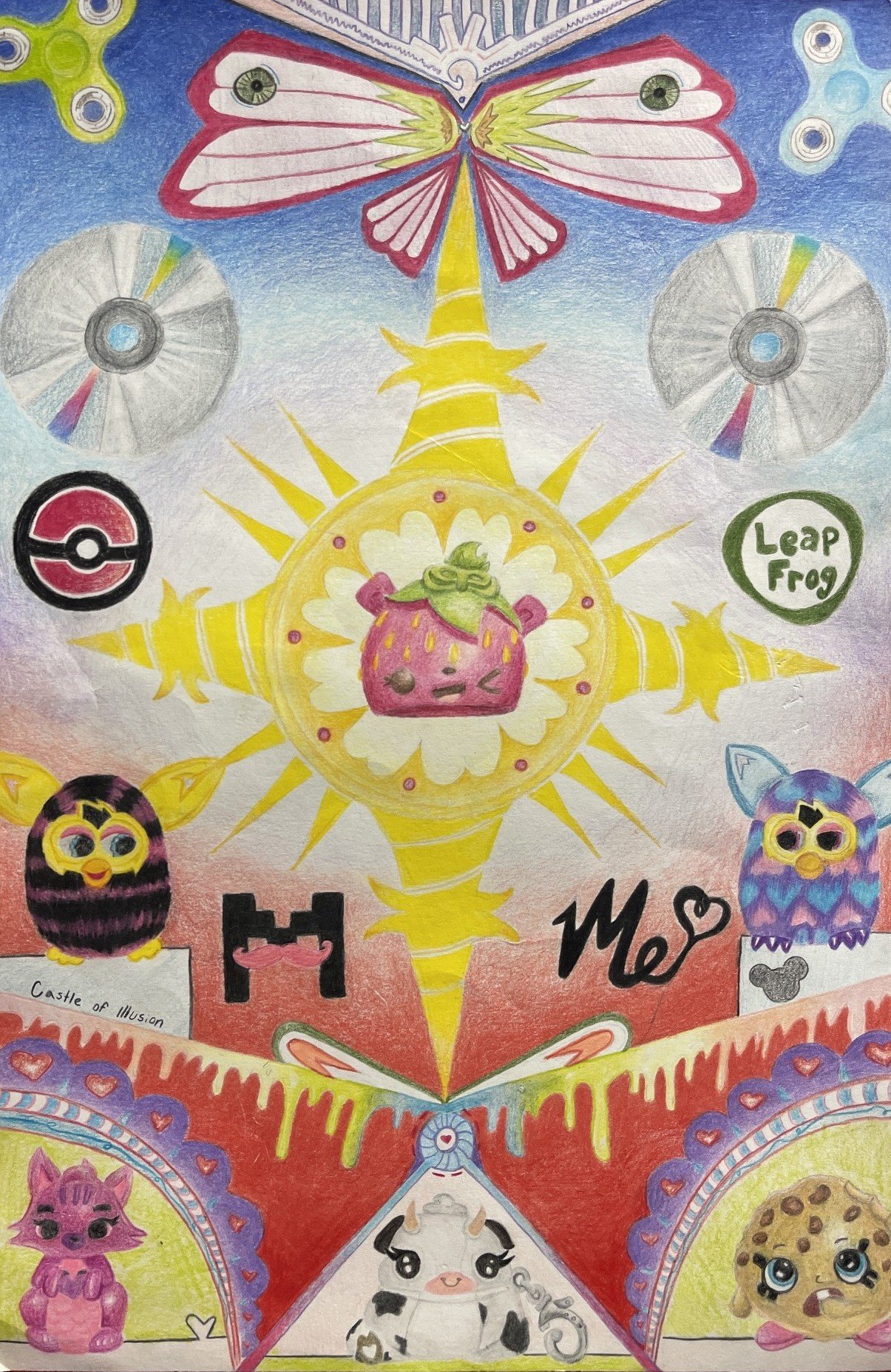
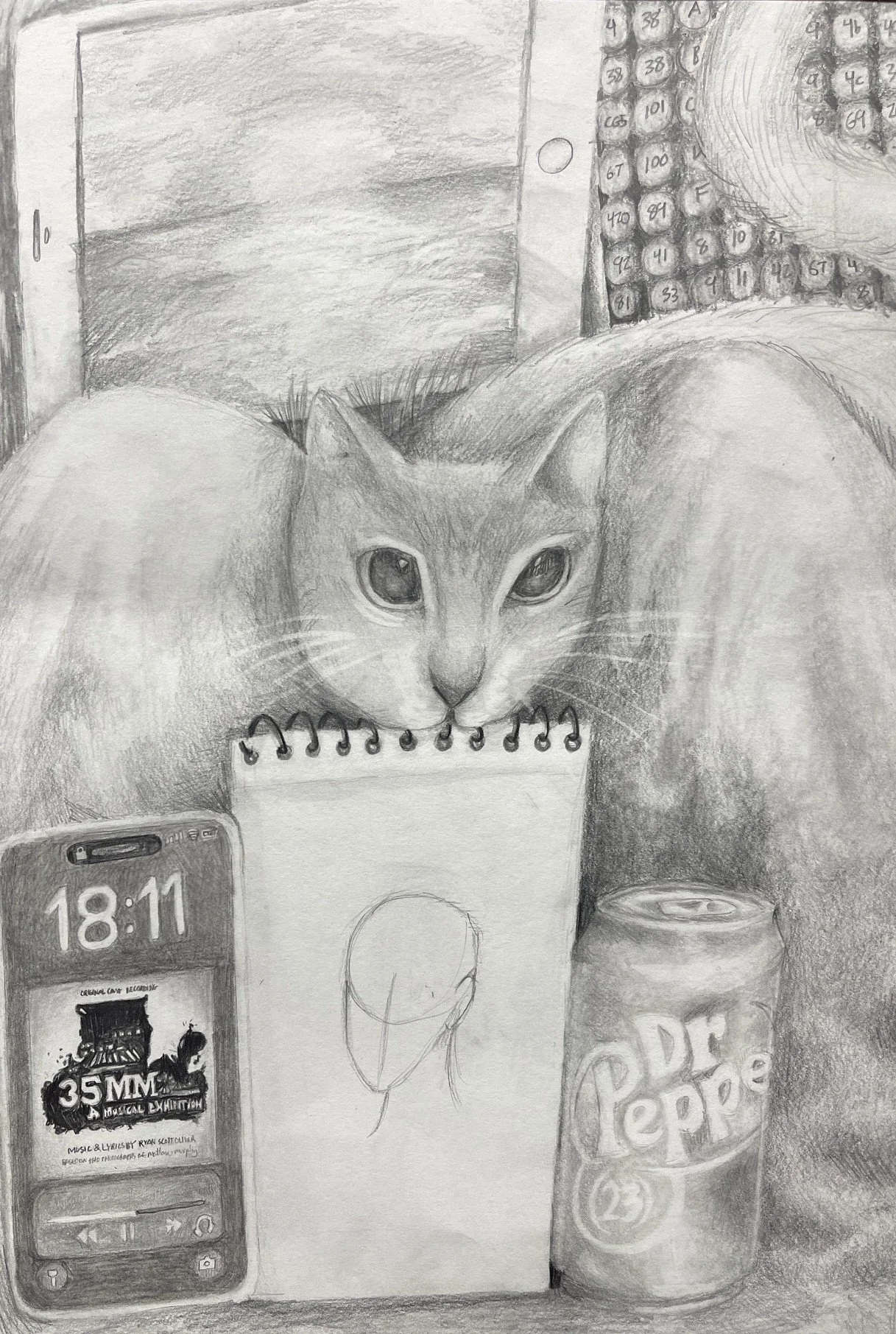
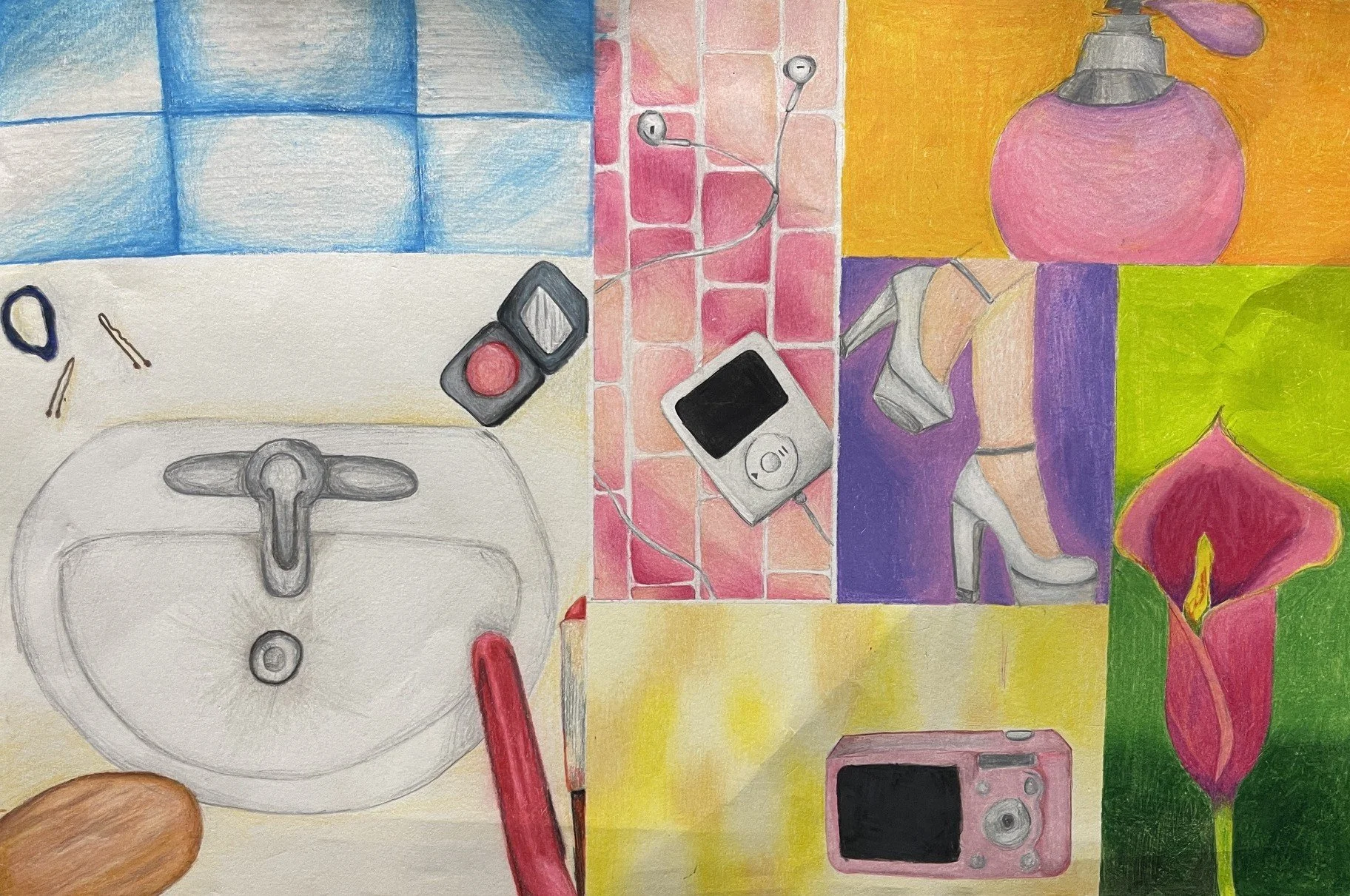
Our first Advanced Art project, “Happiness,” introduced students to one of the central ideas of the course: developing an artistic voice through exploration, experimentation, and revision.
Rather than simply completing a series of unrelated assignments, students are encouraged to develop ideas, ask questions, experiment with materials and techniques, and make intentional artistic decisions. Throughout the year, they will build a body of work that reflects their individual interests and ways of working.
For this first project, students explored the question: What does happiness look like to you? They could interpret the theme through personal experiences, memories, people, objects, symbolism, color, or imagination. Students worked in either pencil or colored pencil while practicing value, shading, layering, texture, and mark-making.
We also looked at contemporary artists for inspiration and discussed how artists develop recognizable visual languages. Artists such as James Jean, Yellena James, and Amy Sherald provided examples of different approaches to color, imagery, symbolism, and personal expression.
Students are also beginning to read Lisa Congdon's Find Your Artistic Voice, which connects closely to our work in the studio. The goal is not simply to make technically strong artwork, but to begin figuring out what they want to say, what they are interested in exploring, and how their artistic choices can communicate those ideas.
The Happiness Project was the first step in that process. As the year continues, students will continue to explore, experiment, revise, and develop their own artistic voices.
Baroda Lake Township Police Department Mural with Art Club
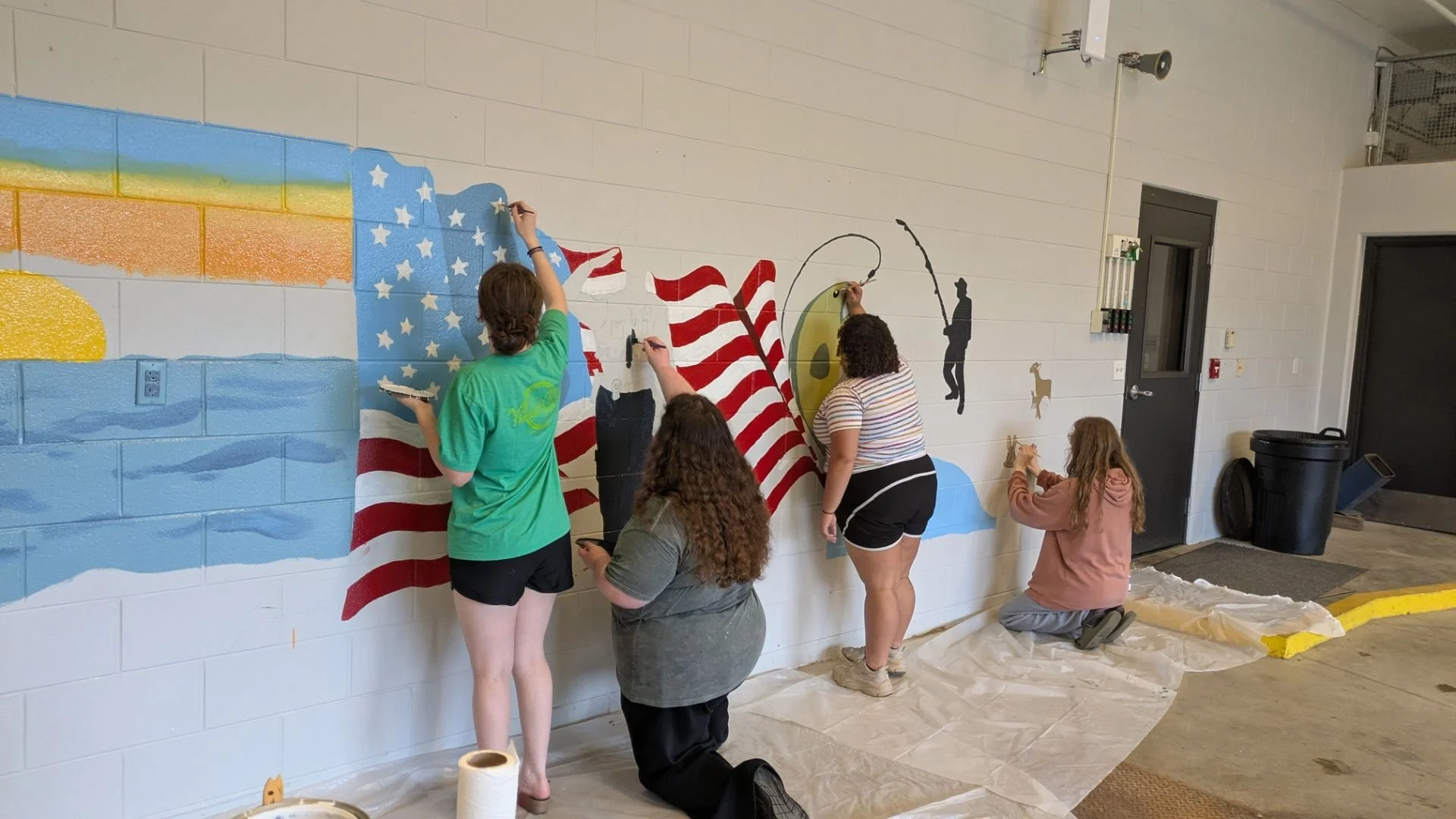
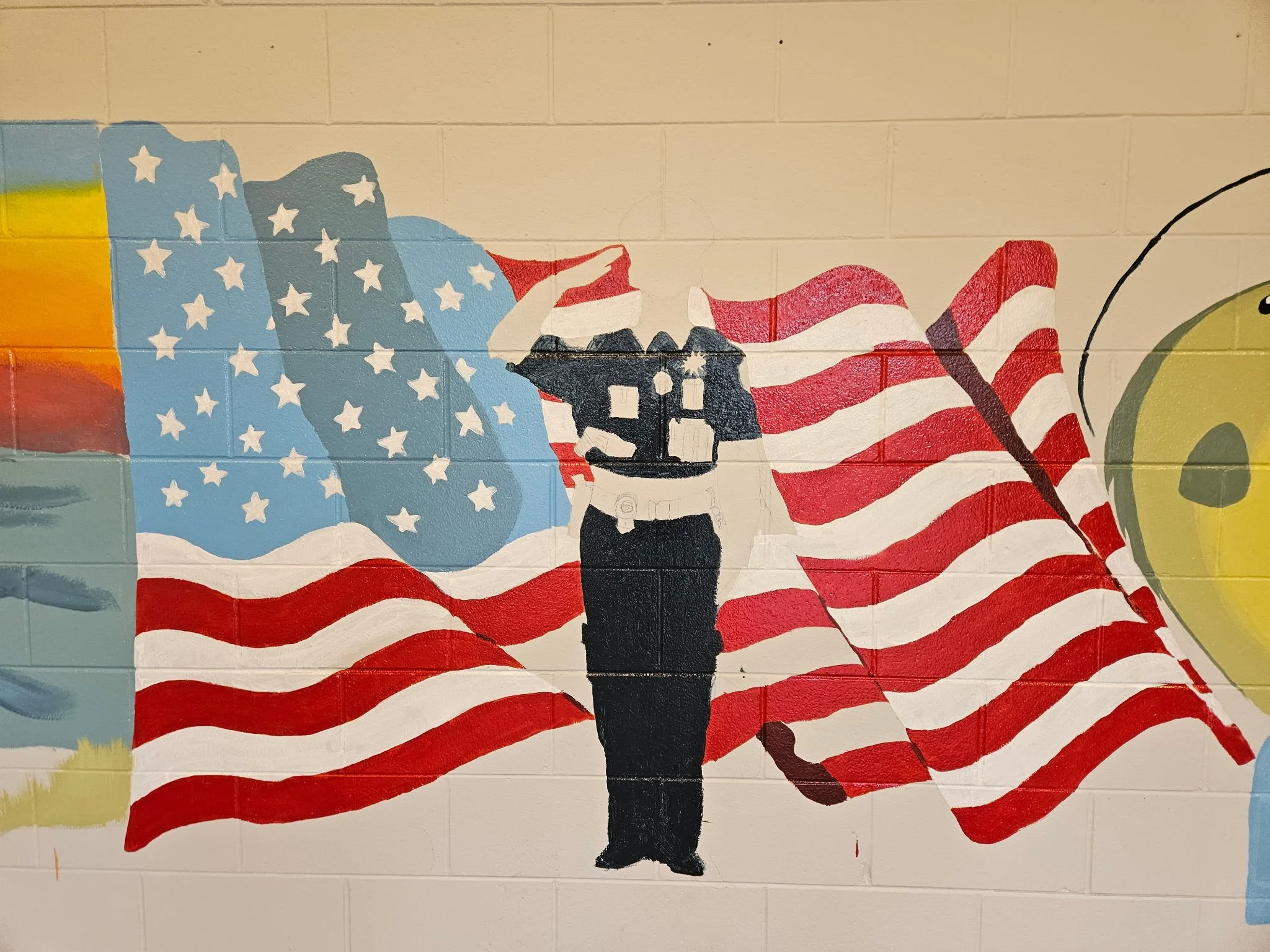
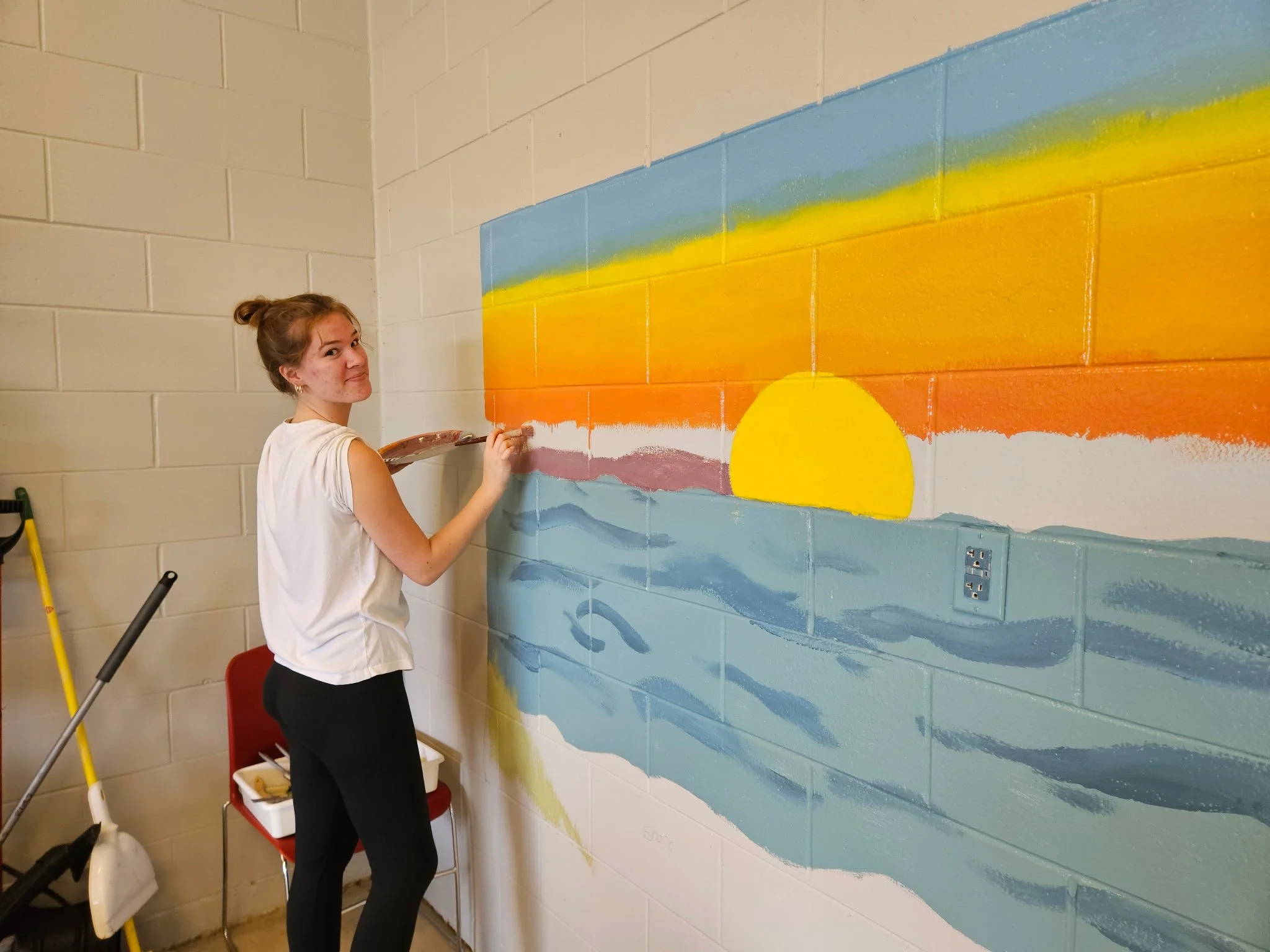
This fall, members of the Bridgman High School Art Club are working on a new mural for the Baroda Township Police Department. The project was created in partnership with the department, giving students the opportunity to design and paint a large-scale artwork for their local community.
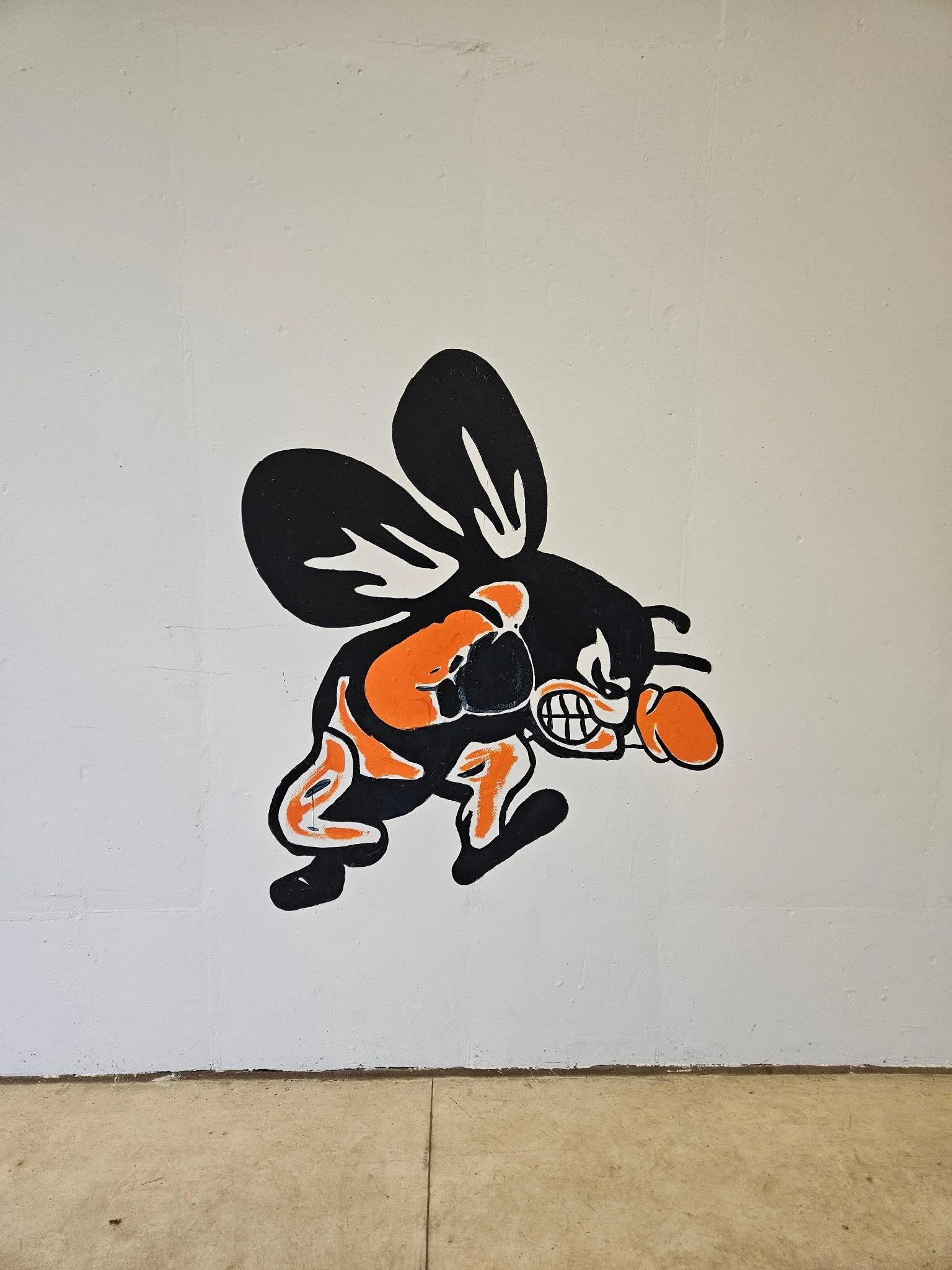
The mural features imagery connected to the community, including a police officer, Lake Michigan, and the Bridgman’s blue and orange bee mascot. Students have been working together to plan the designs, mix colors, and paint the mural. It has been a great opportunity for Art Club members to collaborate, make creative decisions, and see their artwork become a permanent part of the community.
The Art Club expects to finish the mural in the coming weeks. We are excited to see the finished project!
Box Factory Student Art Show
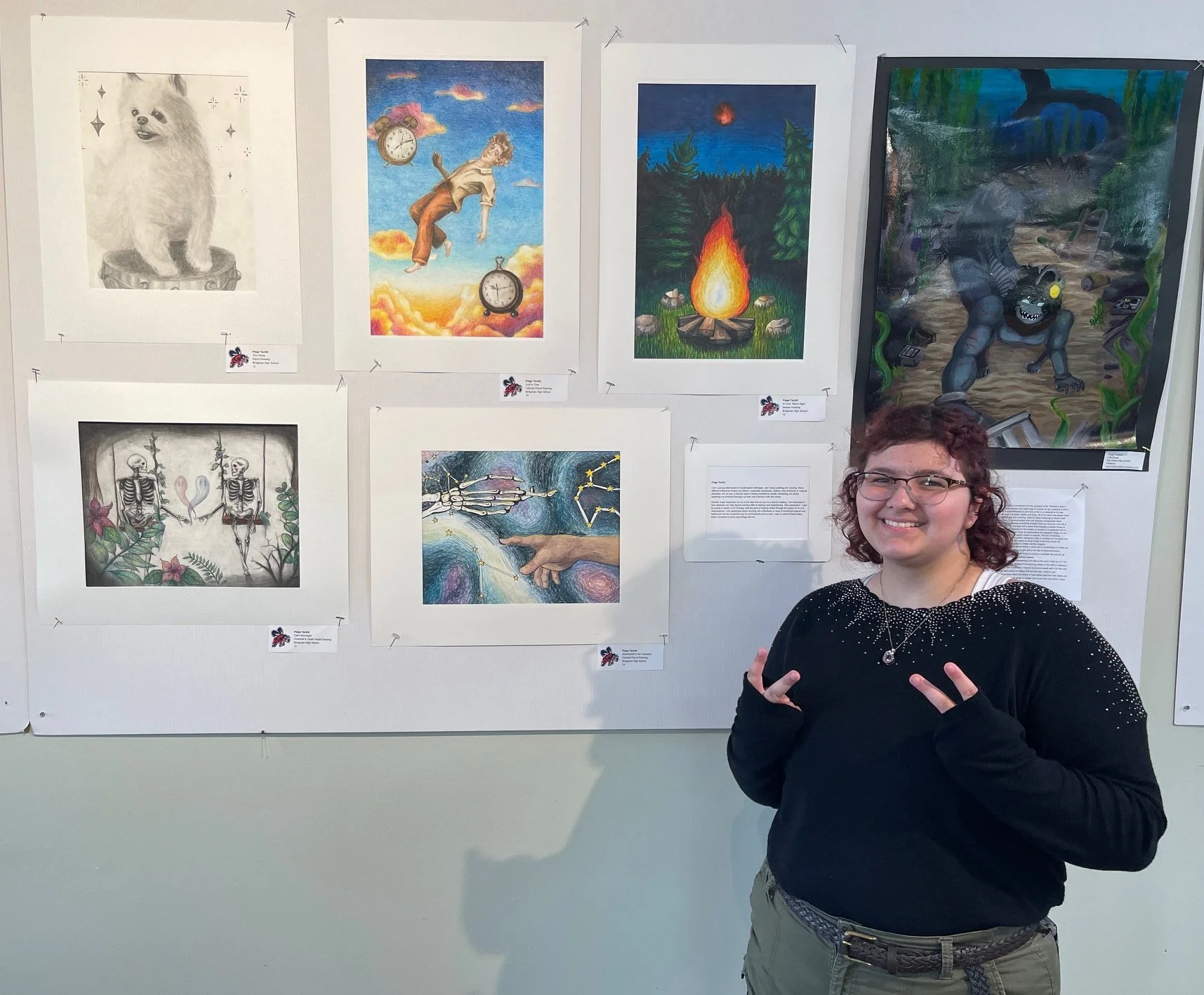
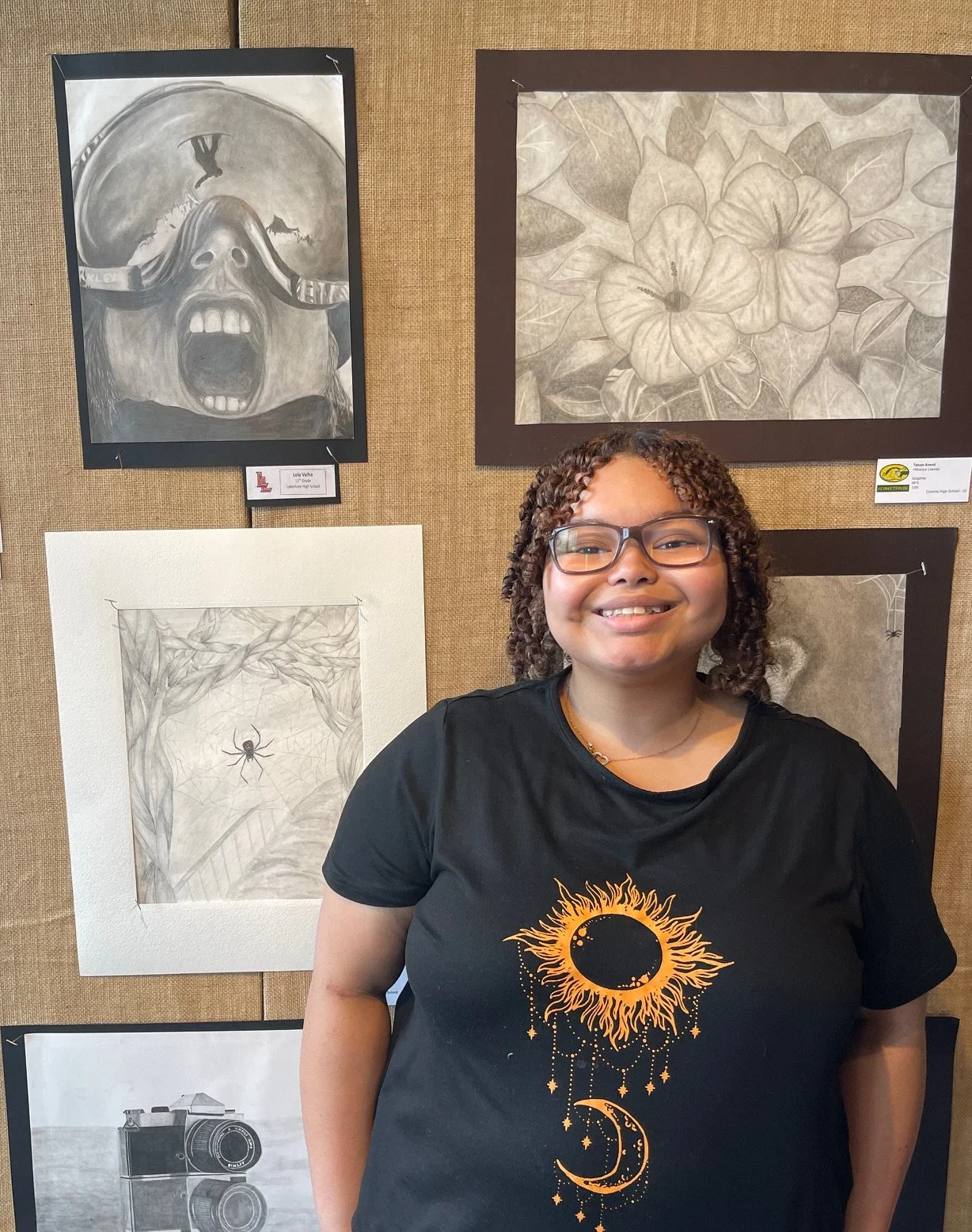
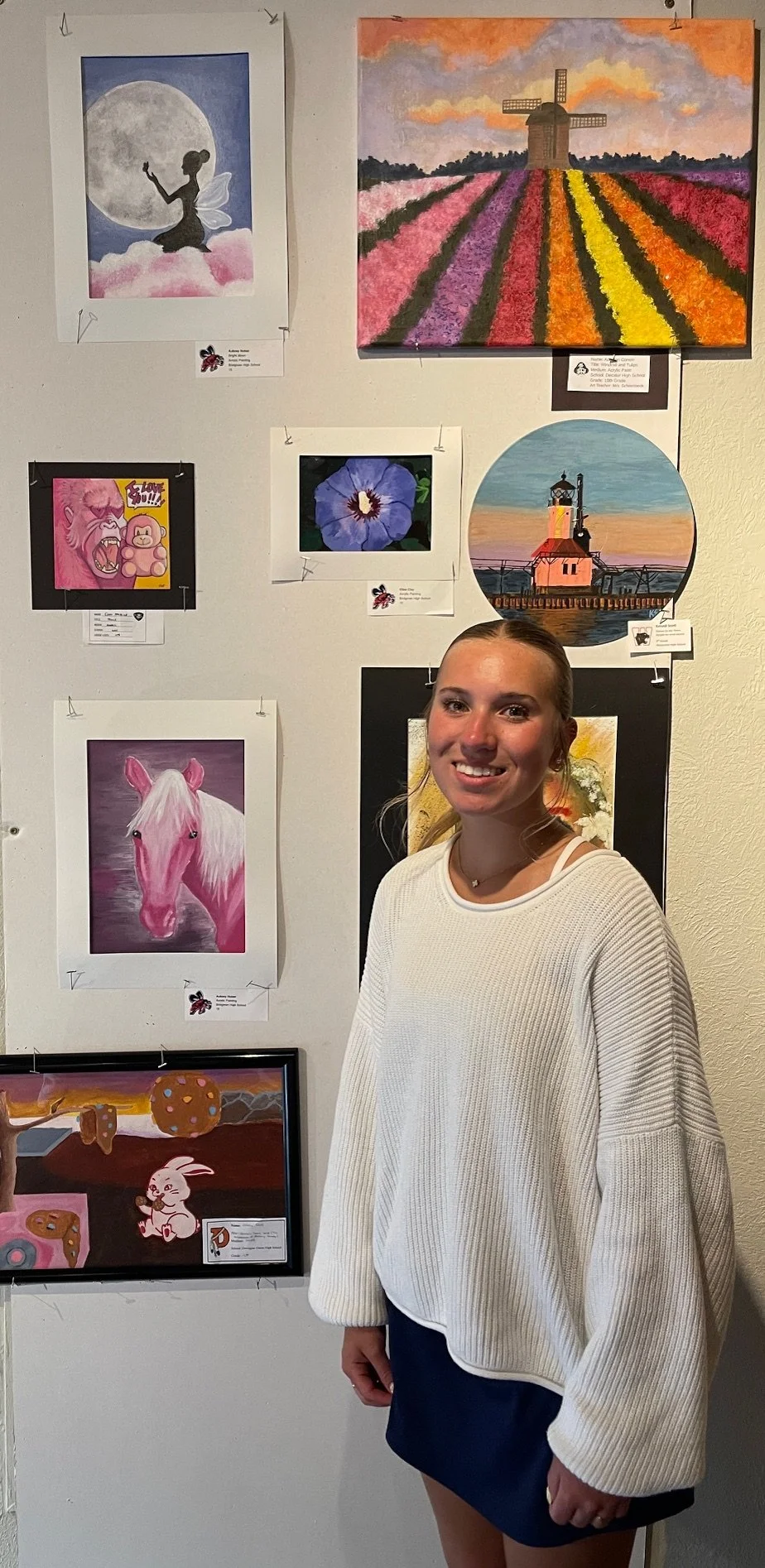
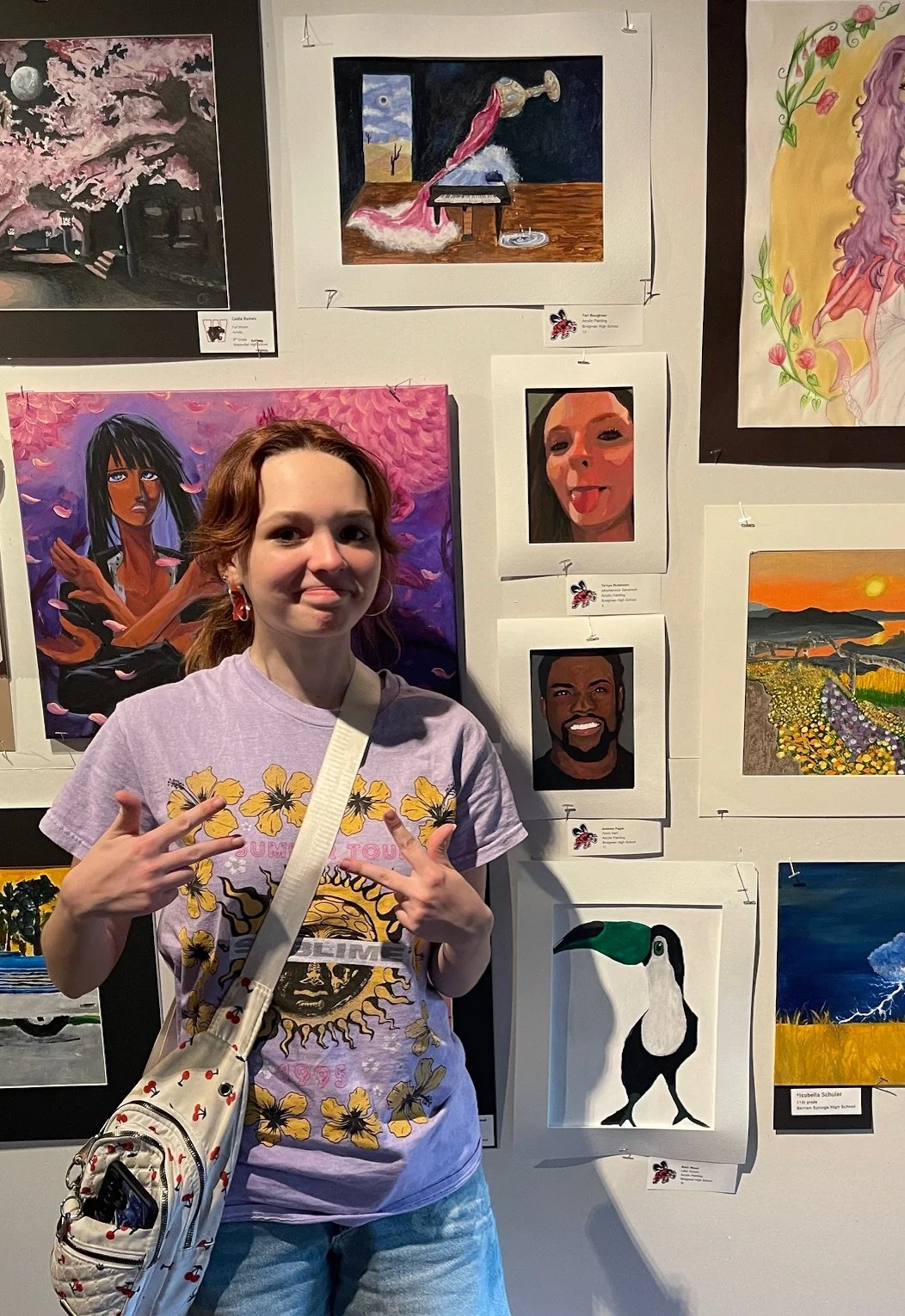
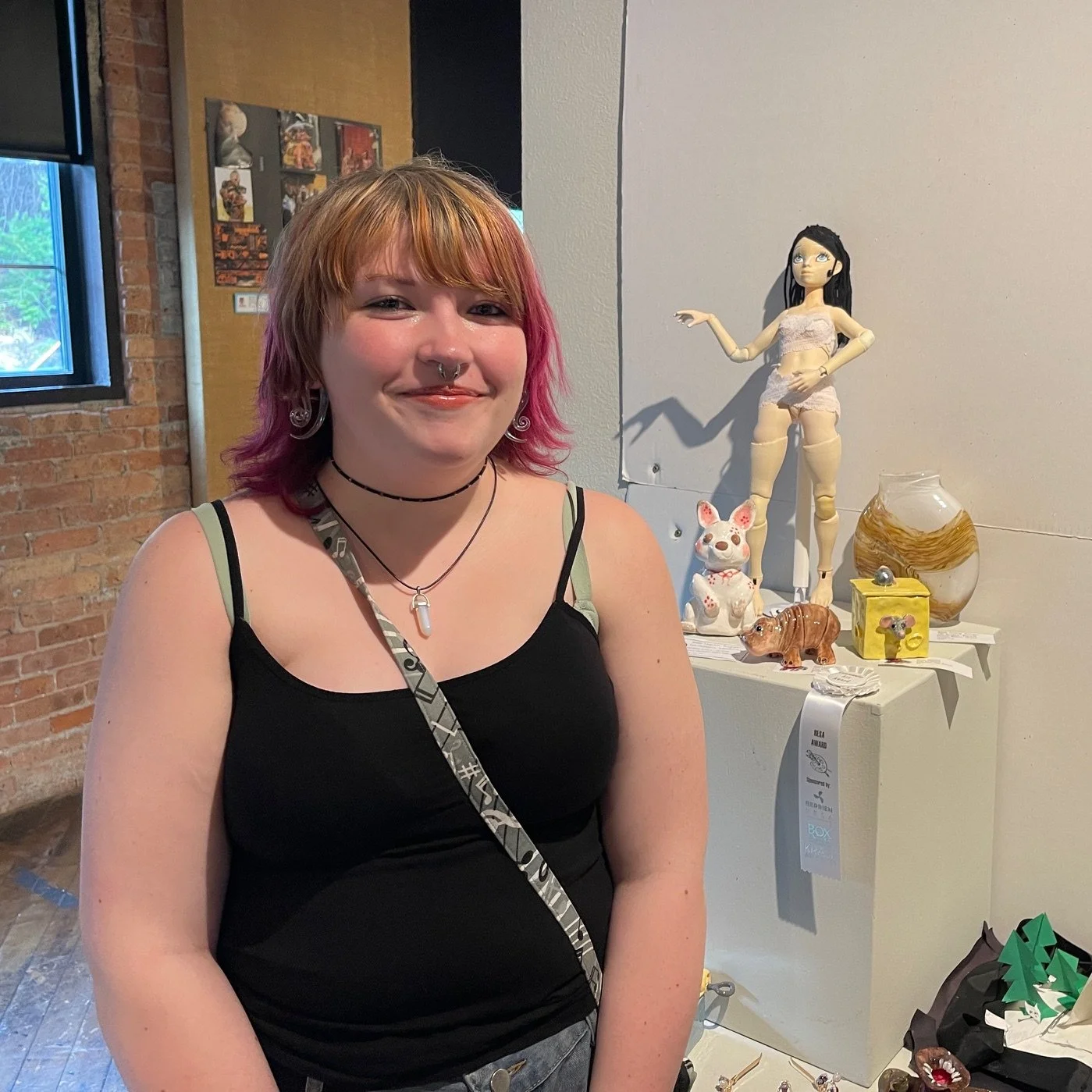
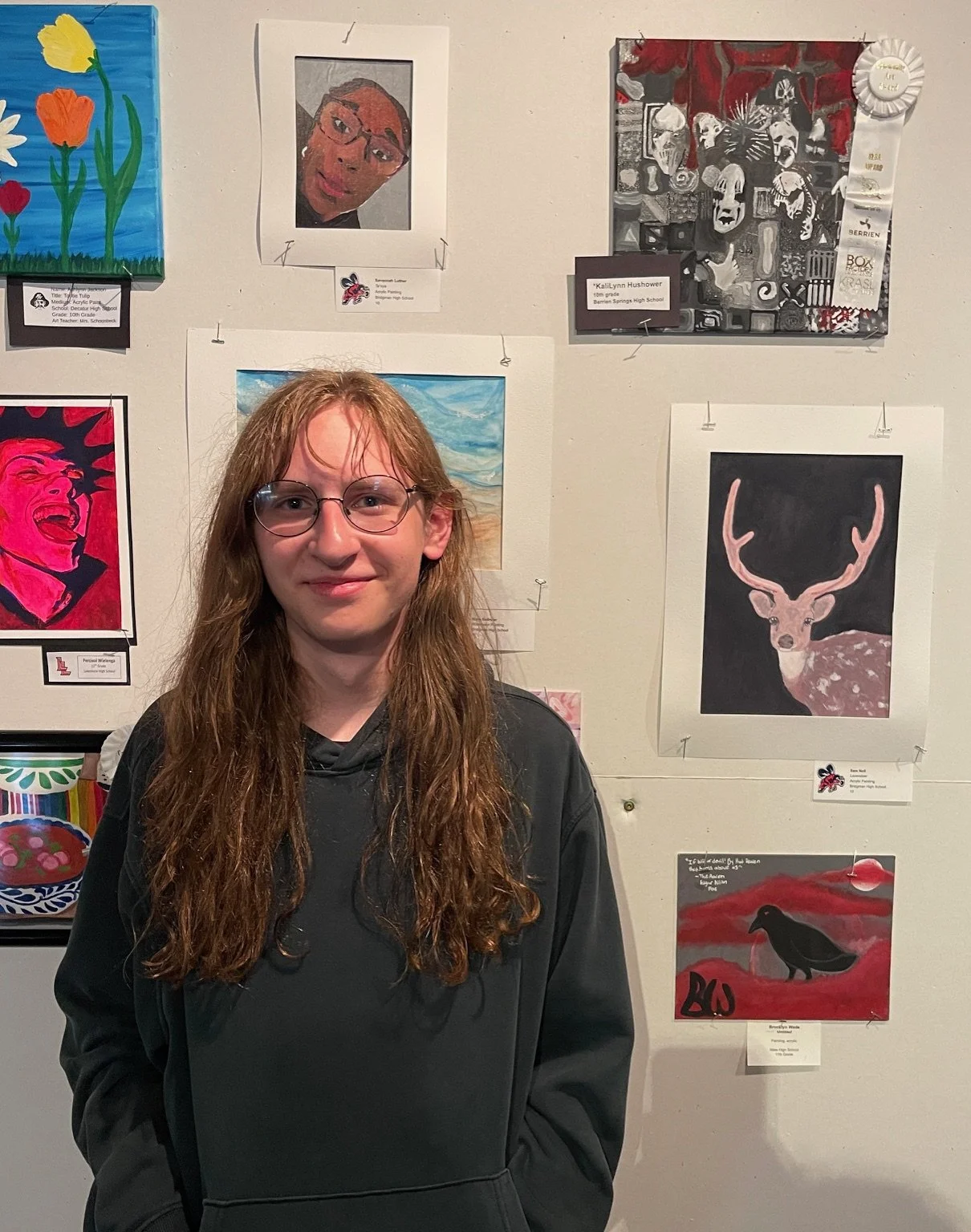
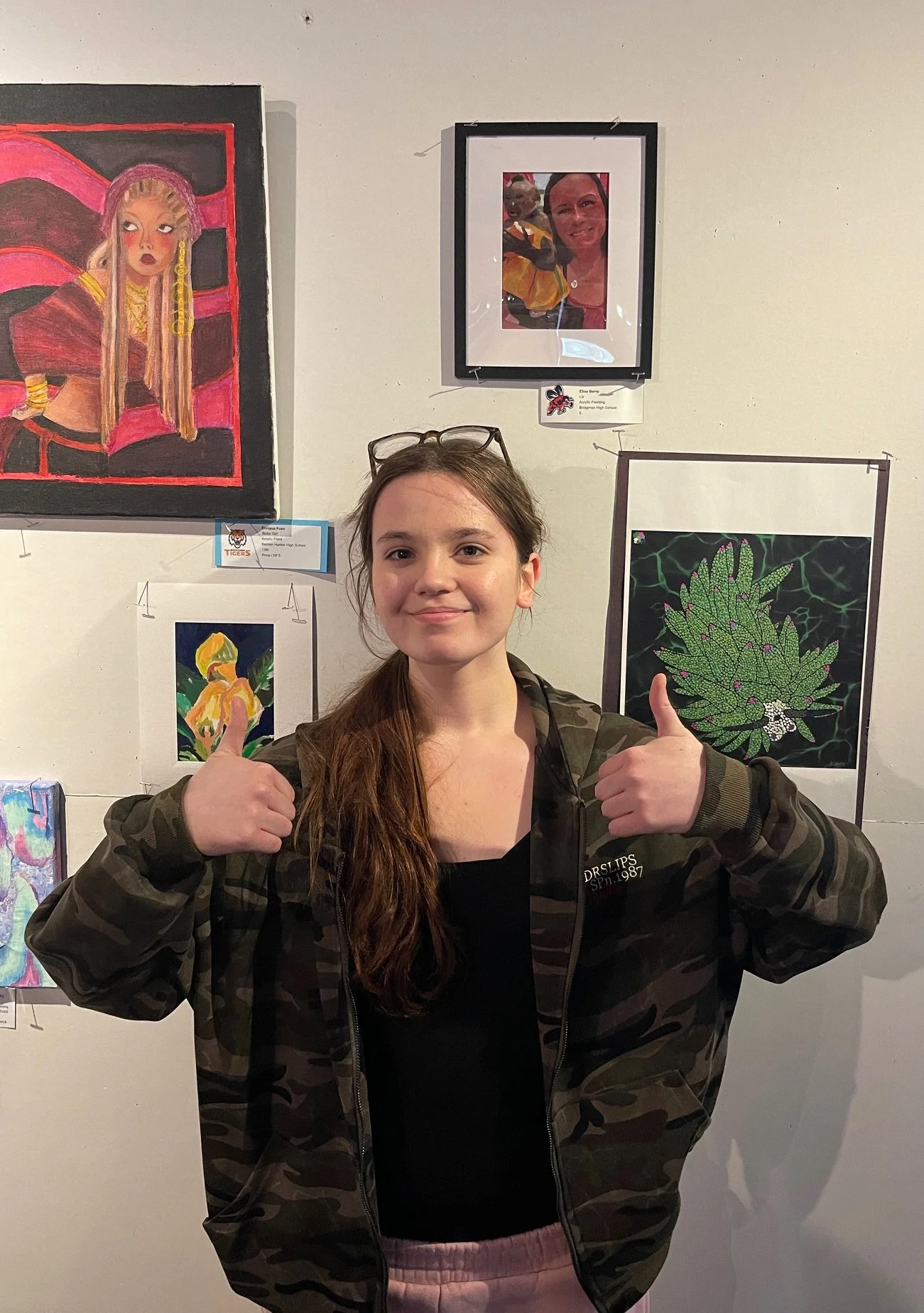
Bridgman High School students exhibited their work at the Box Factory Student Art Exhibition in St. Joseph, MI. This annual event brings together student artists from across the region (30+ schools), showcasing a wide range of media and ideas from emerging young artists.
Many of our students displayed work in the exhibition, representing the skill, dedication, and creativity happening in our art program. Several Bridgman students also received special recognition:
Anya received the Community Award.
Paige was featured in the Emerging Artist category for high school seniors planning to pursue art at the college level. Paige will attend Southwestern Michigan College next year to study Art and Psychology with a goal of becoming an Art Therapist.
Opportunities like these not only celebrate achievement but also give students valuable experience sharing their work in a professional setting and engaging with the broader arts community. I want to congratulate all of our students who participated in this exhibition.
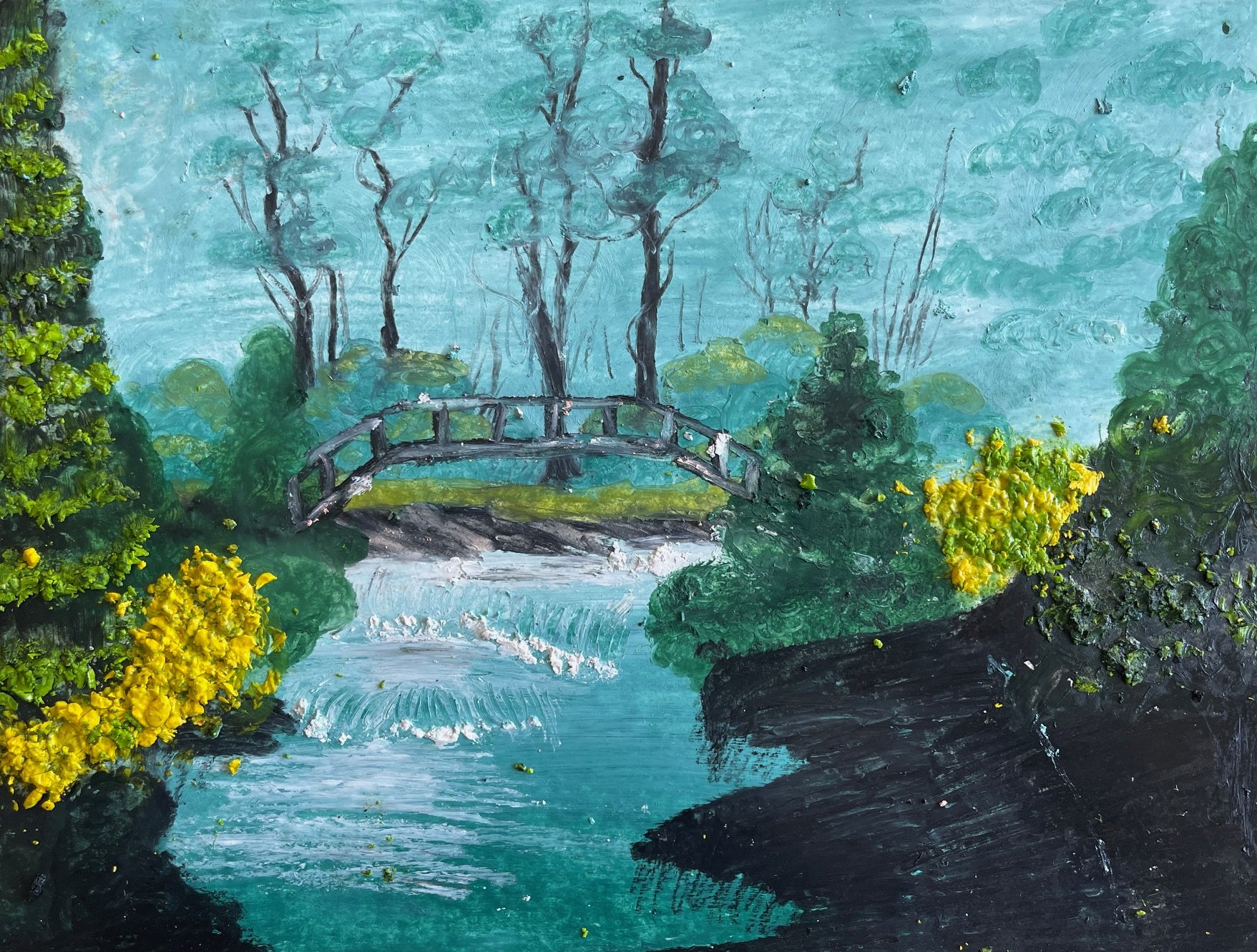
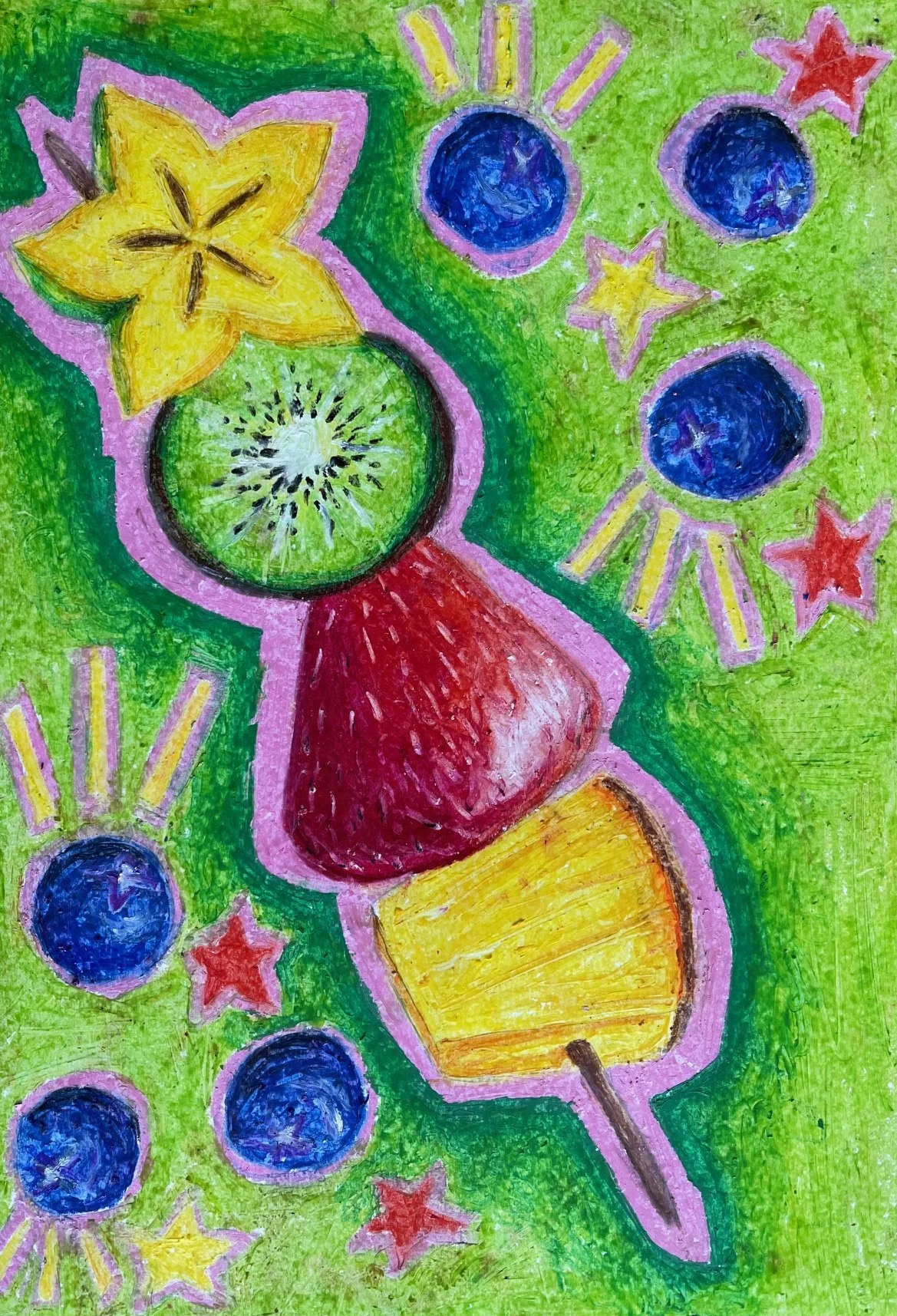
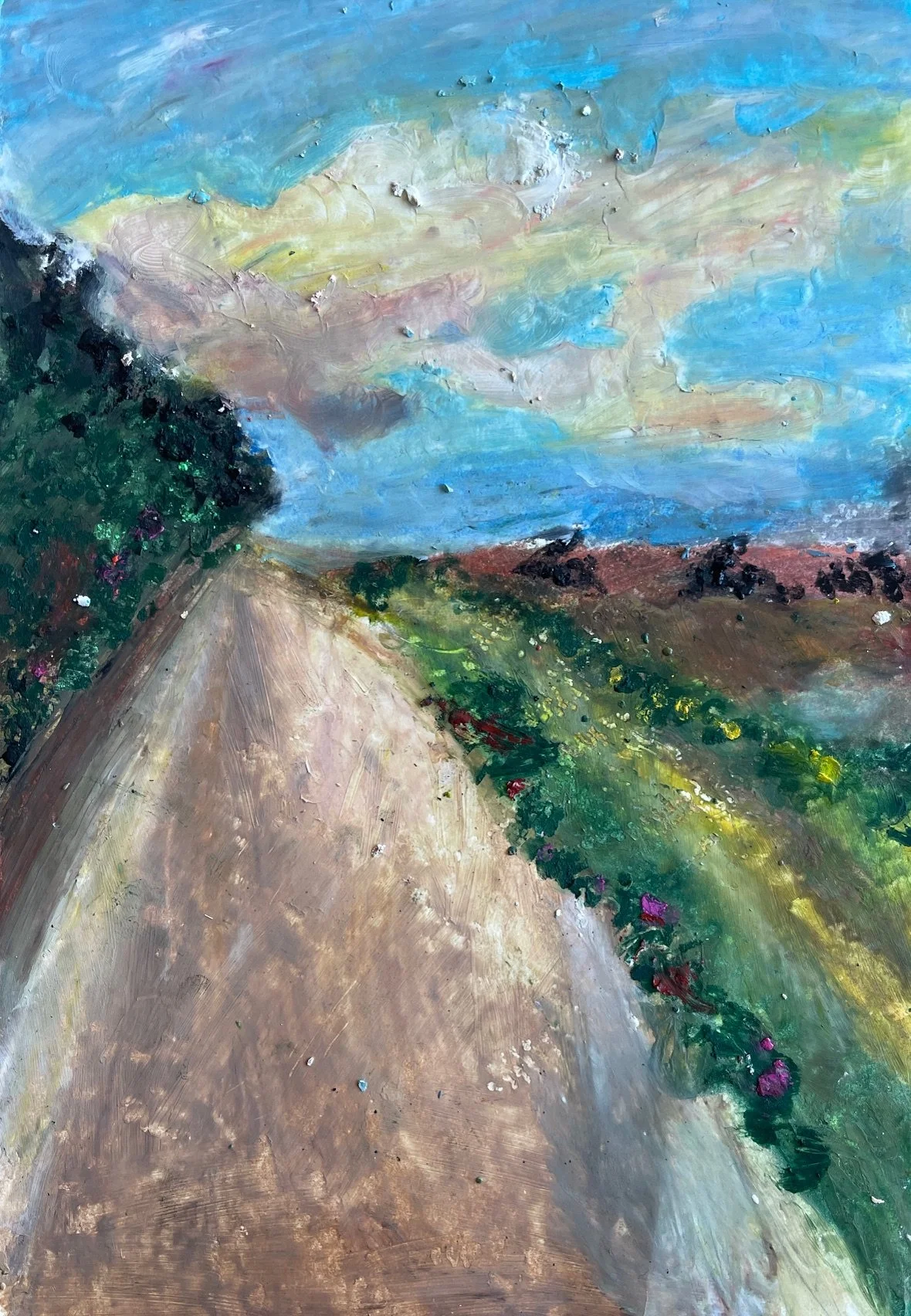
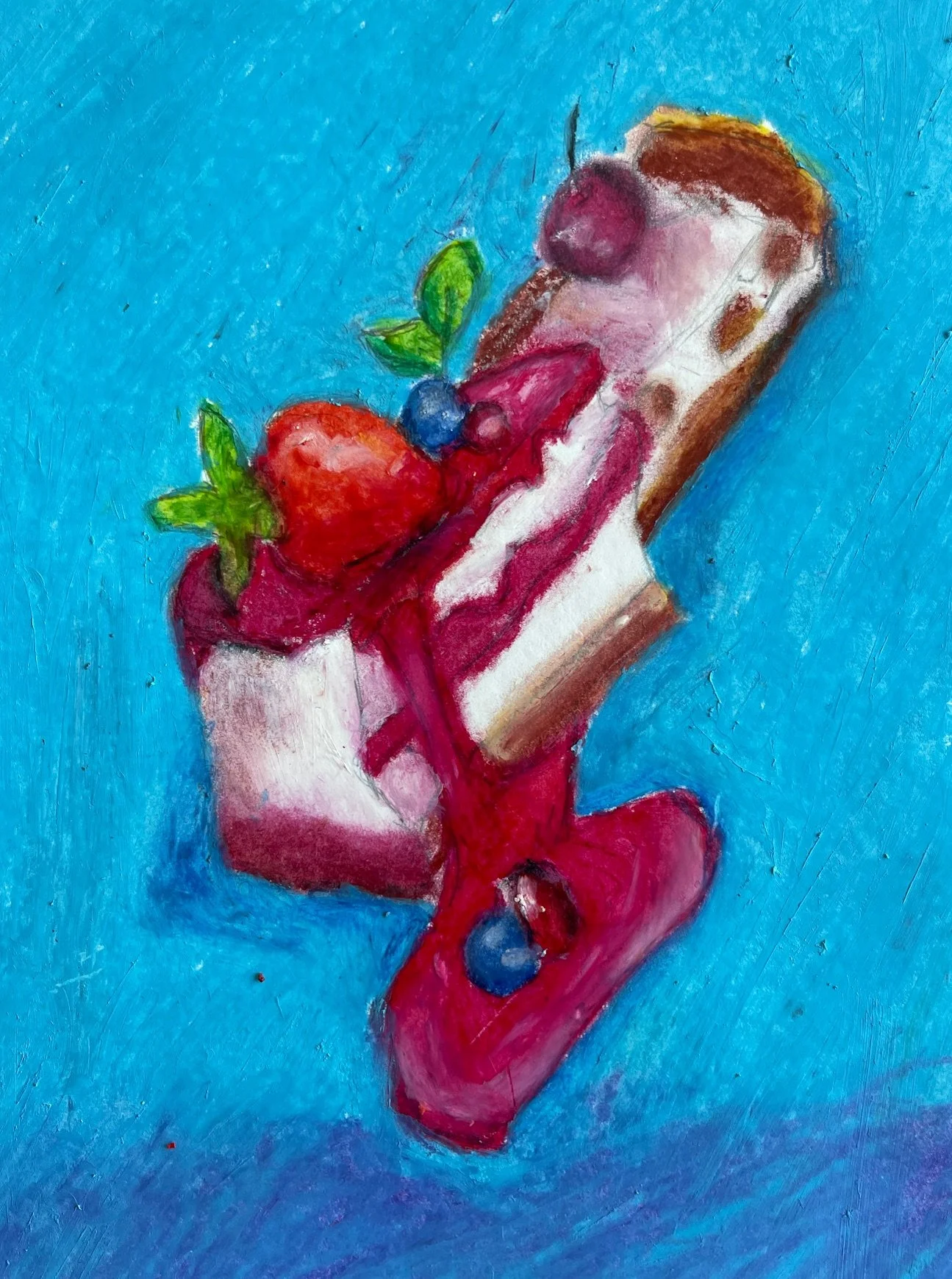
Oil Pastels with Art 1 & Advanced Art
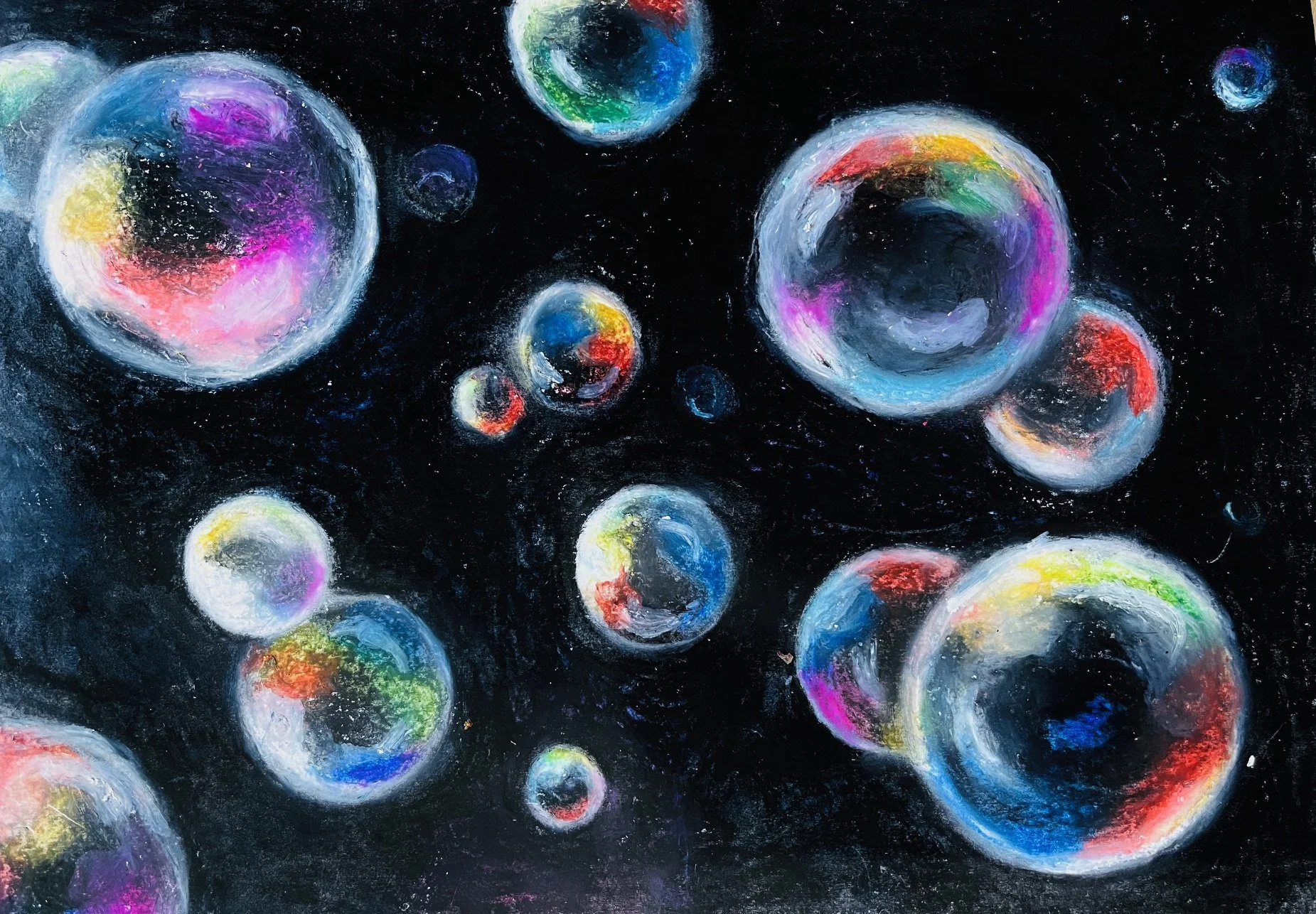
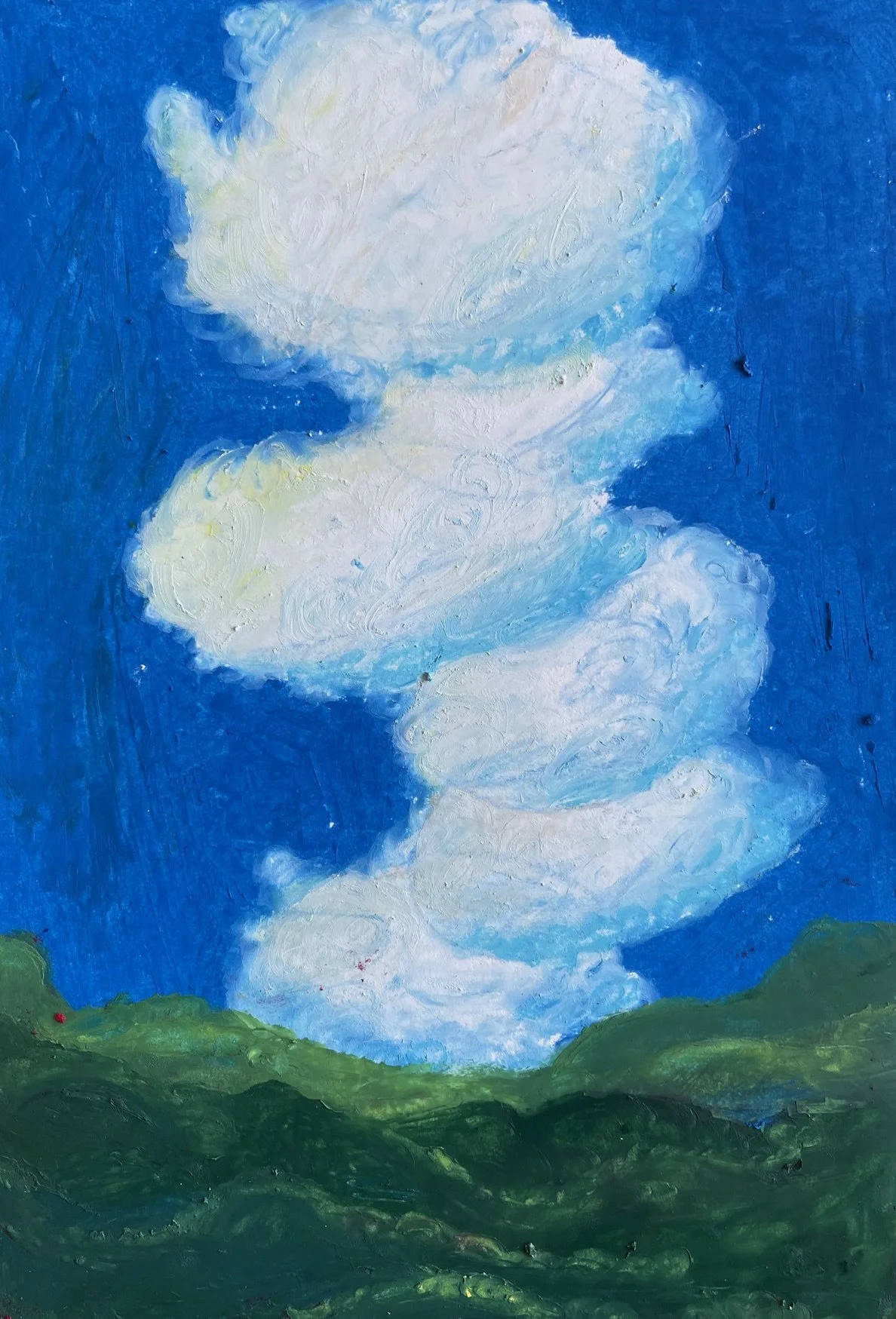
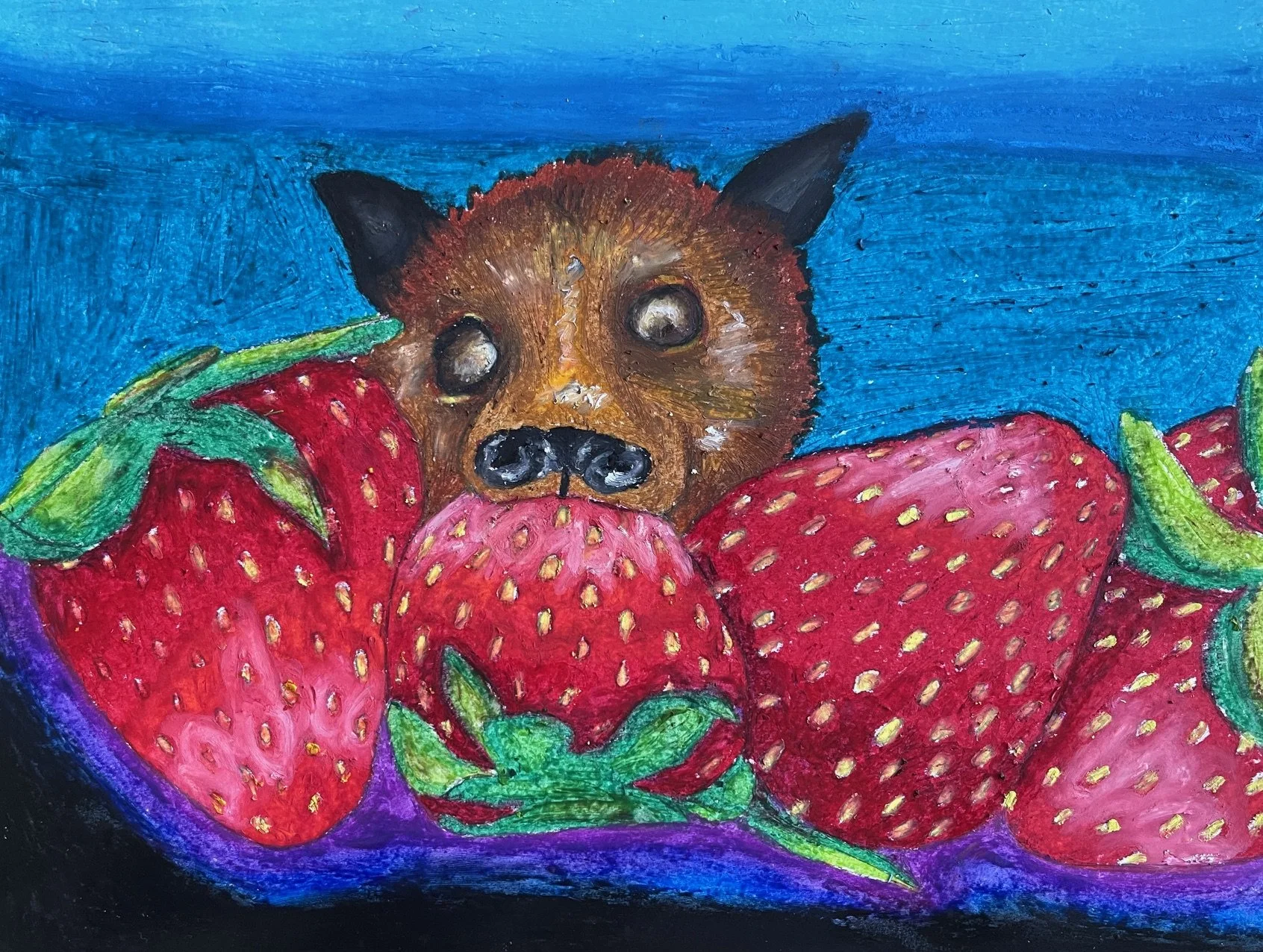
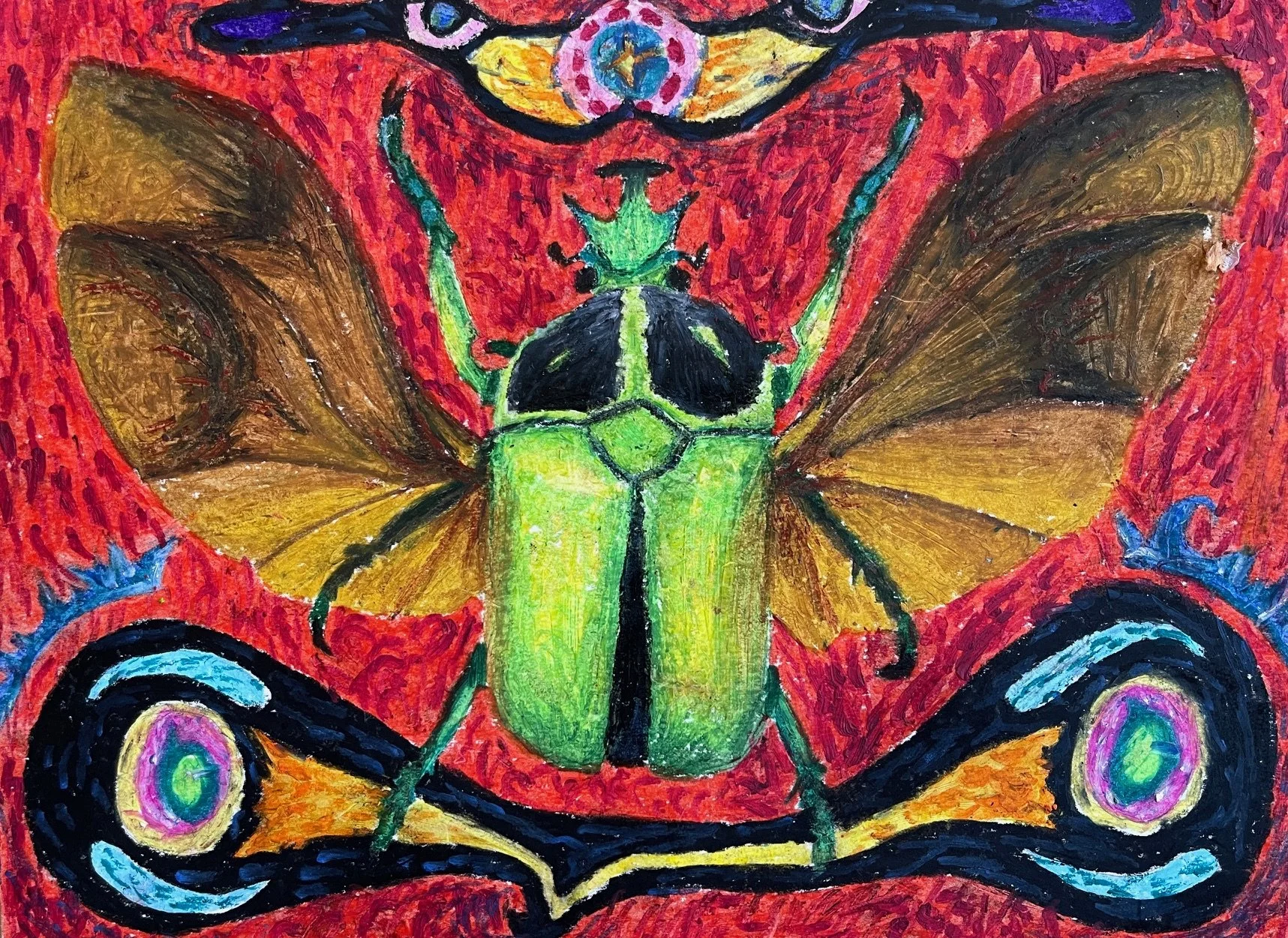
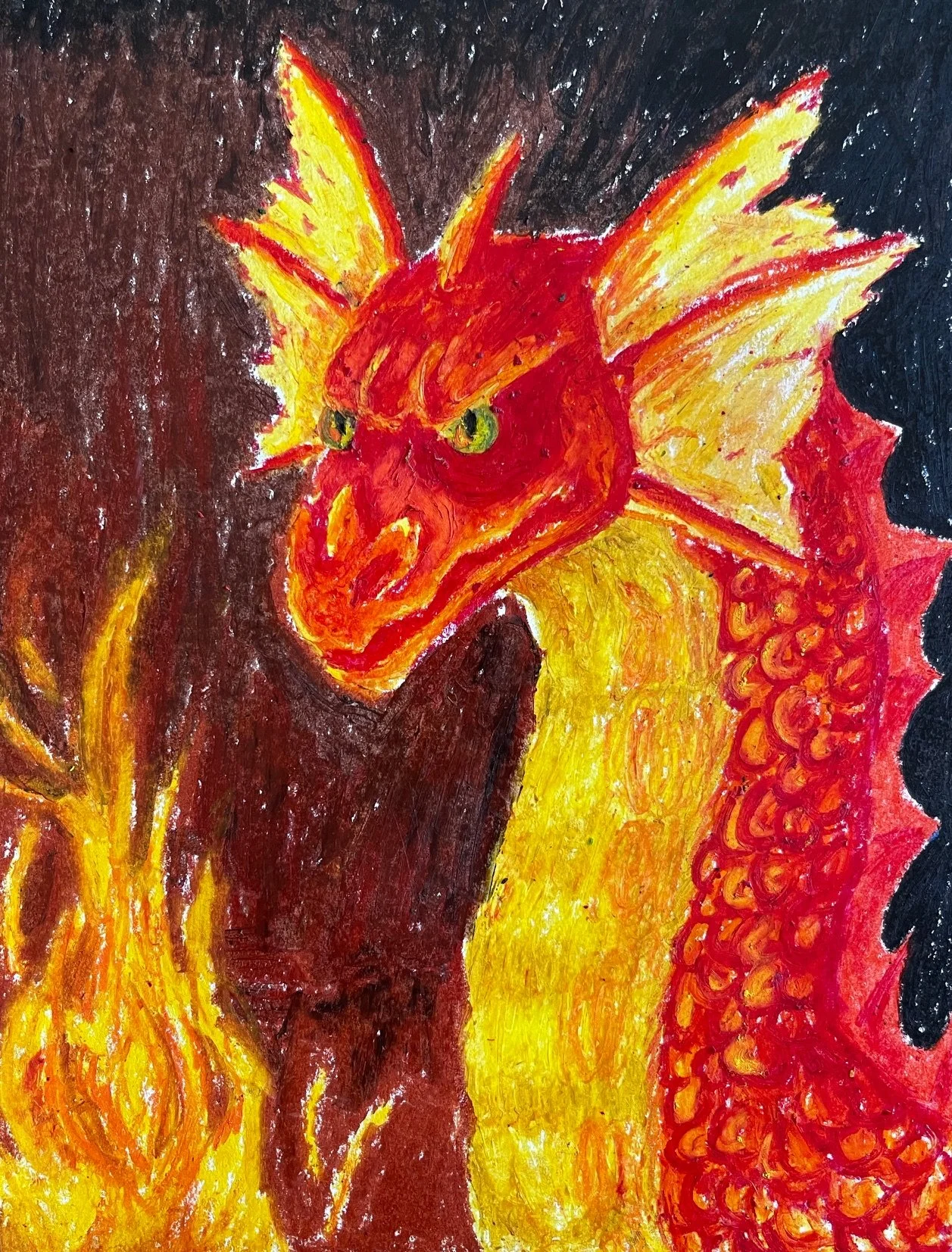
Students explore the expressive potential of oil pastels through activities that emphasize both technical skill and experimentation. By introducing foundational concepts such as layering, blending, and creating texture through mark-making, I guide students in developing a deeper understanding of how materials can be manipulated to achieve a range of visual effects. Students are encouraged to experiment, take risks, and reflect on their process.
Lubeznik Art Center Class Trip
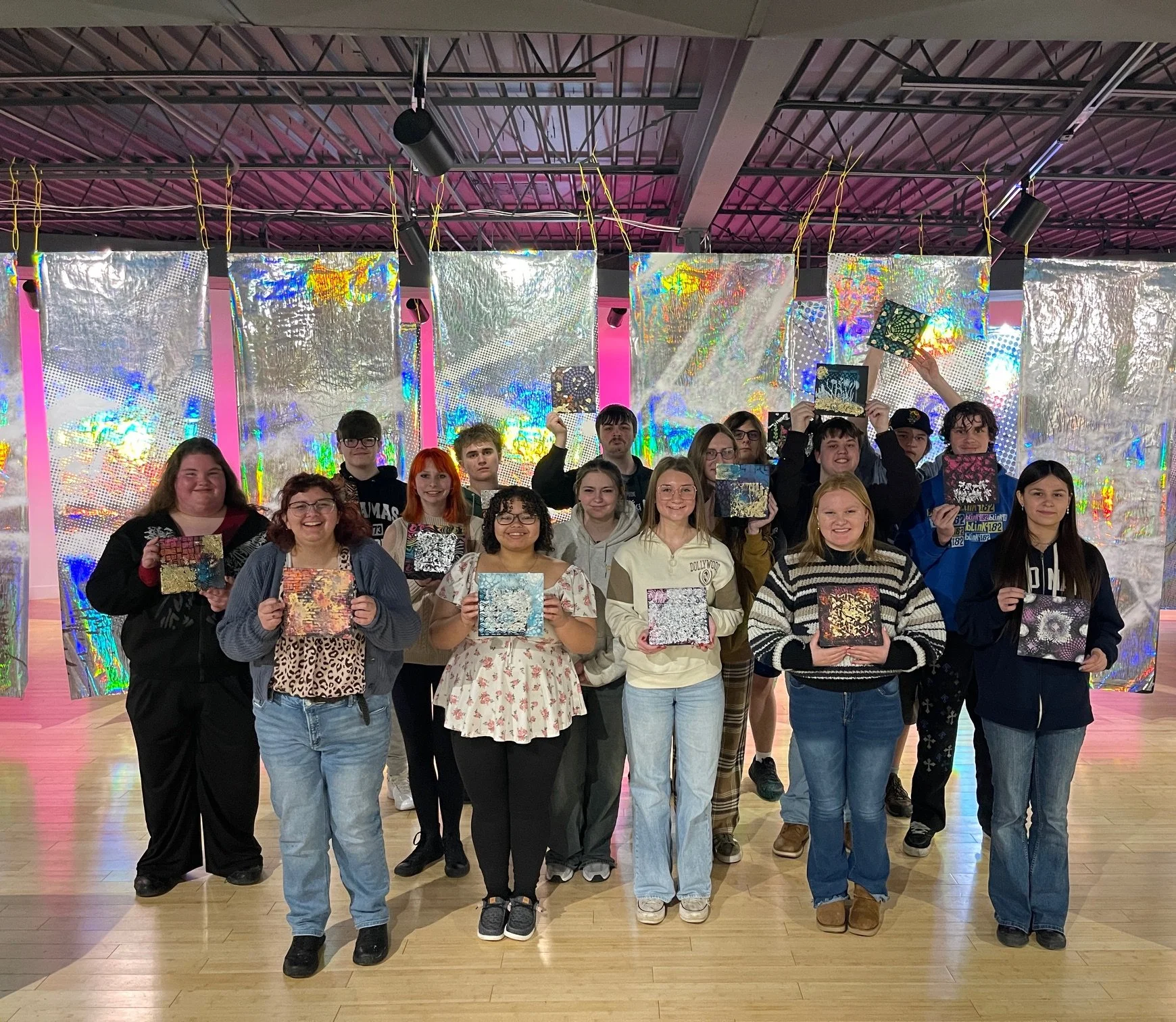
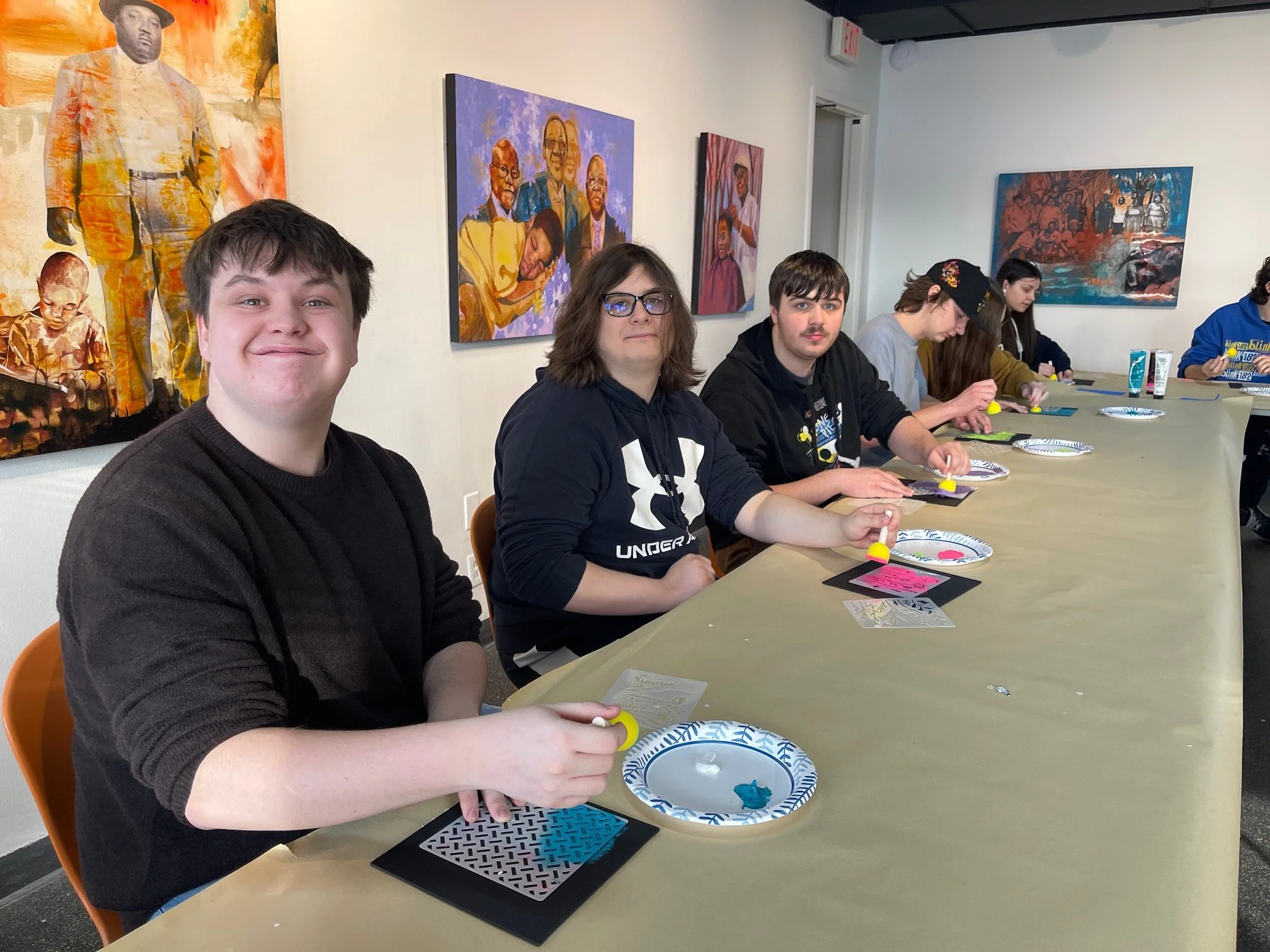
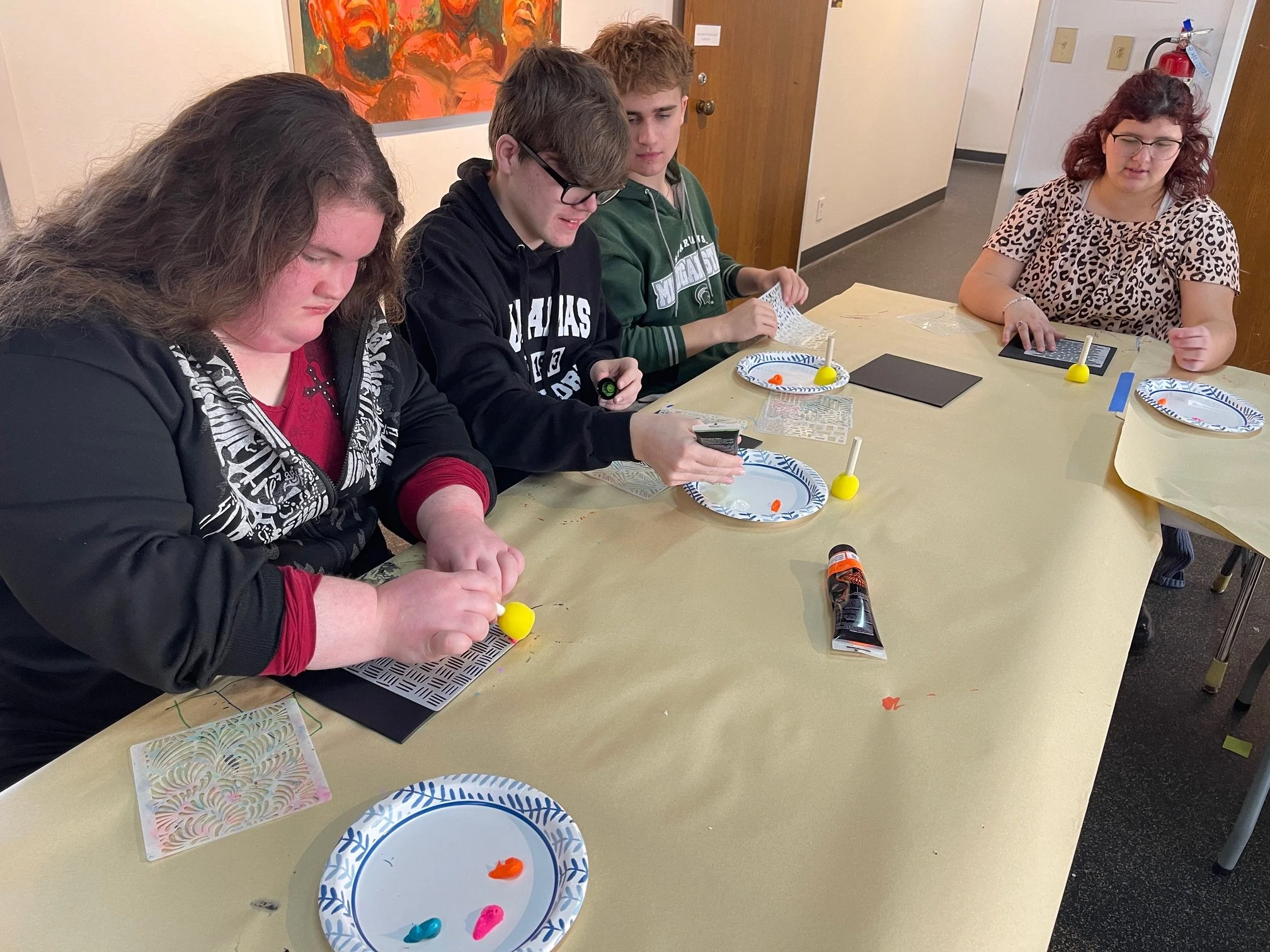
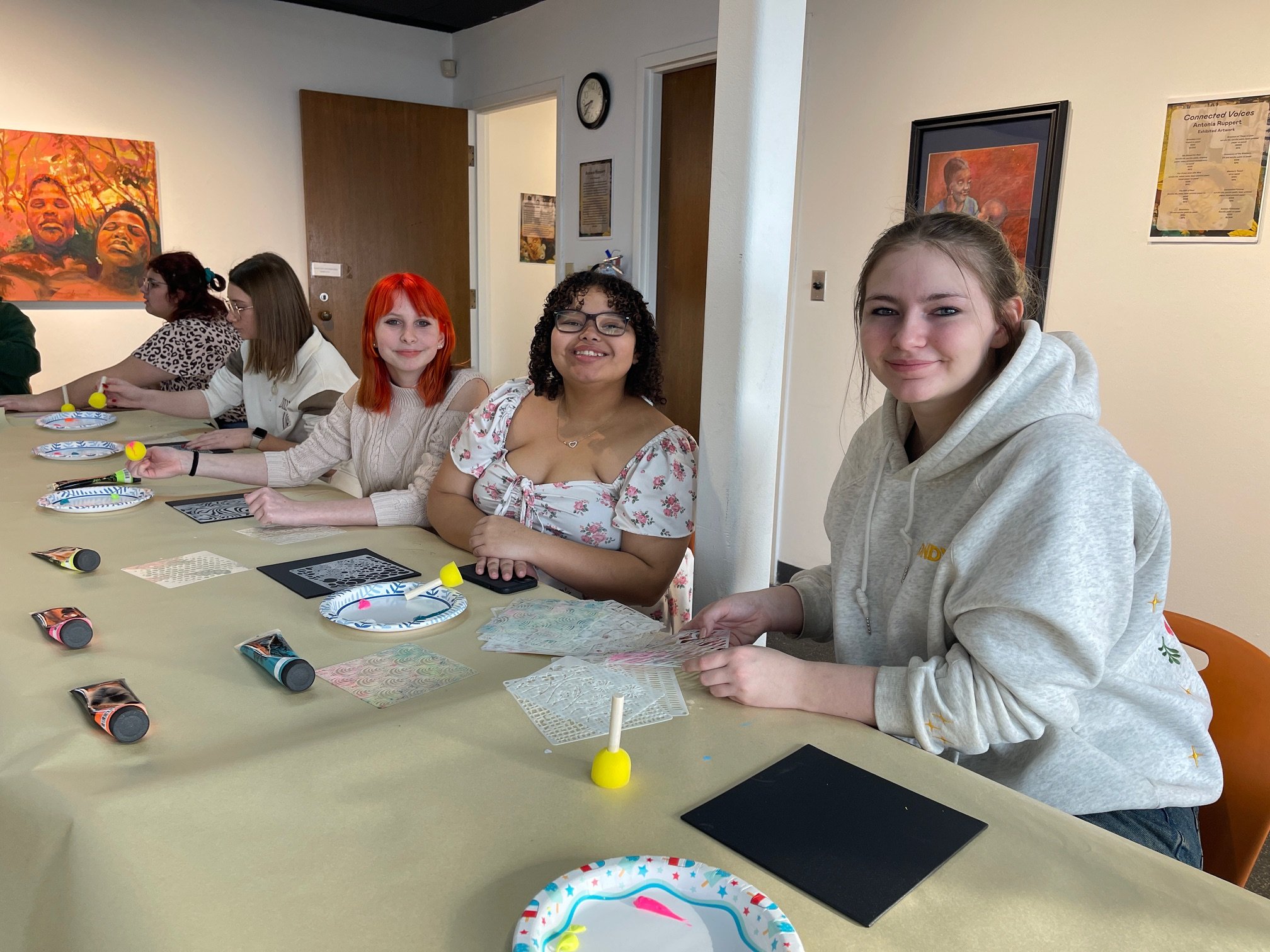
My Art Appreciation class (Lake Michigan College) and Advanced Art classes (Bridgman High School) visited the Lubeznik Center for the Arts in Michigan City, Indiana, which was a valuable experience to see contemporary art in person. We explored work by Maria Bundunarena as well as an immersive installation by Luftwerk, which transformed the gallery space with light and color. The students also created artwork inspired by the exhibition. The trip gave students a chance to connect classroom discussions about contemporary art to real-world experiences, sparking thoughtful conversations.
Studio+Classroom Blog
Student artwork and activities from Bridgman High School & Lake Michigan College
Lake Michigan College is ranked as the #1 best Community College in Michigan.
Bridgman High School is ranked as the #20 best high school in Michigan.