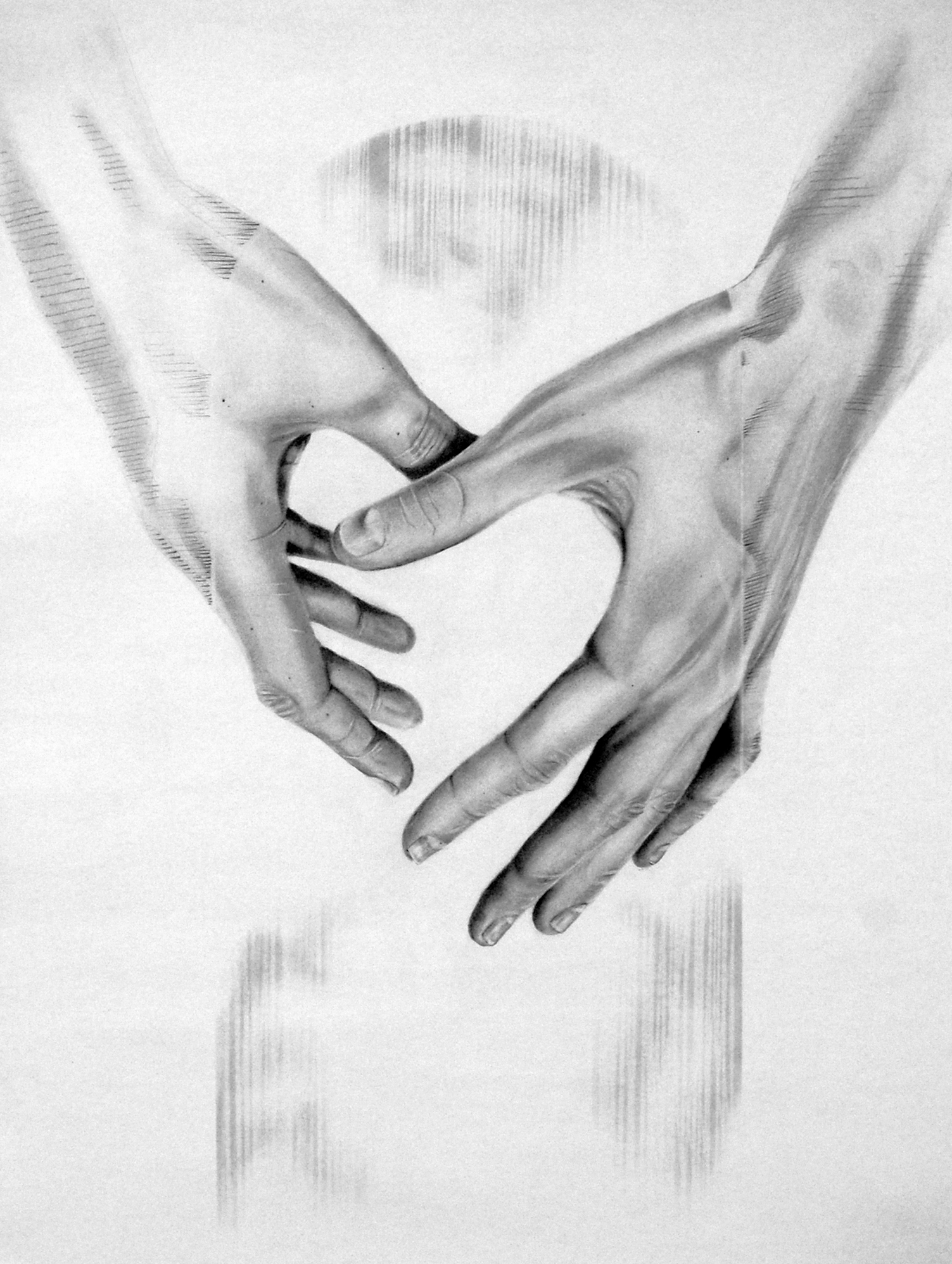
2018, pencil, 24 x 18 inches  During my graduate residency at the Massachusetts College of Art and Design, I used drawing as a way to investigate the relationship between observation and abstraction. I continued working from the human body, particul

2018, pencil, 24 x 18 inches

During my graduate residency at the Massachusetts College of Art and Design, I used drawing as a way to investigate the relationship between observation and abstraction. I continued working from the human body, particularly my own hands and face, while experimenting with ways to disrupt and transform highly rendered imagery.
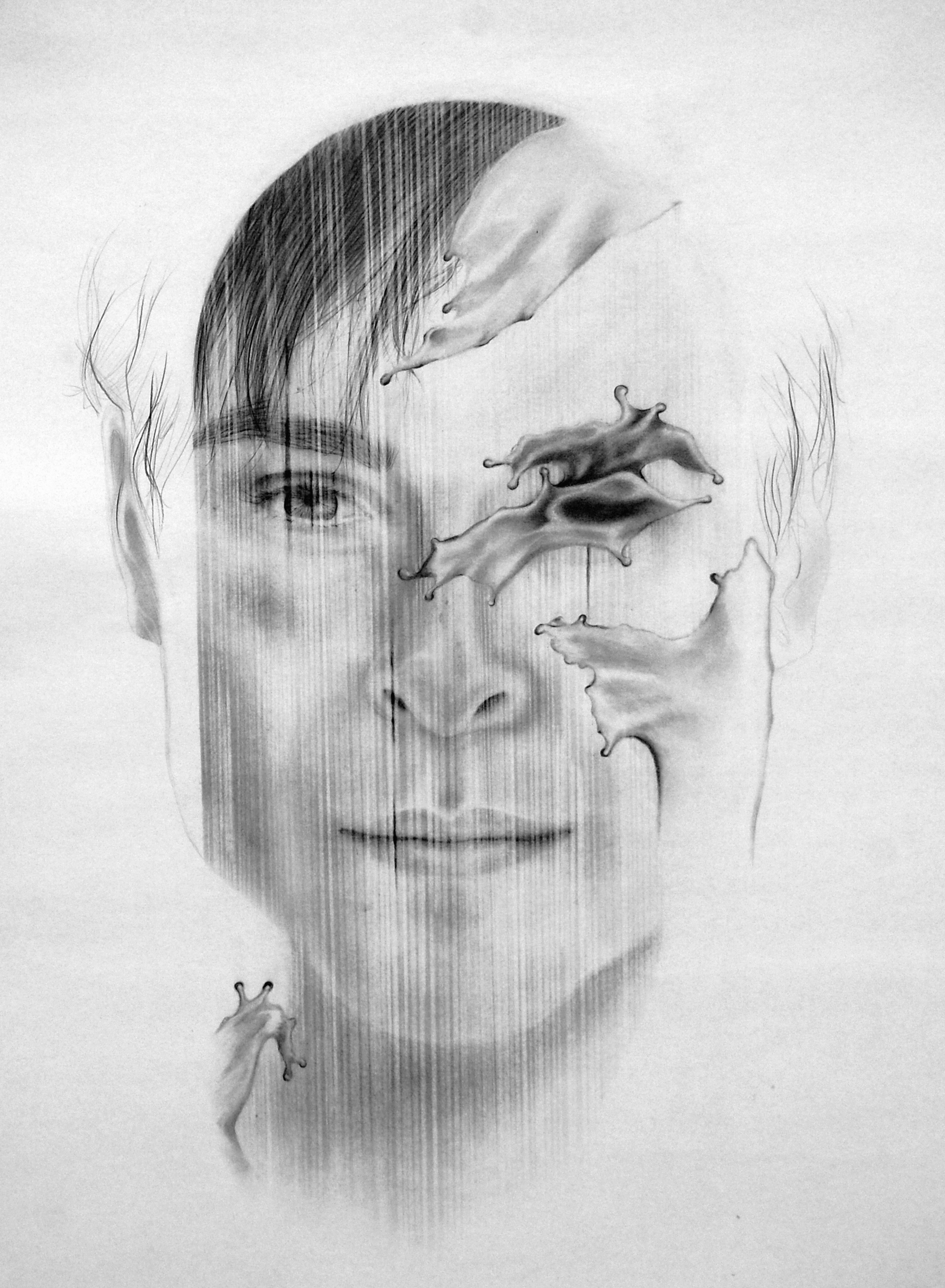
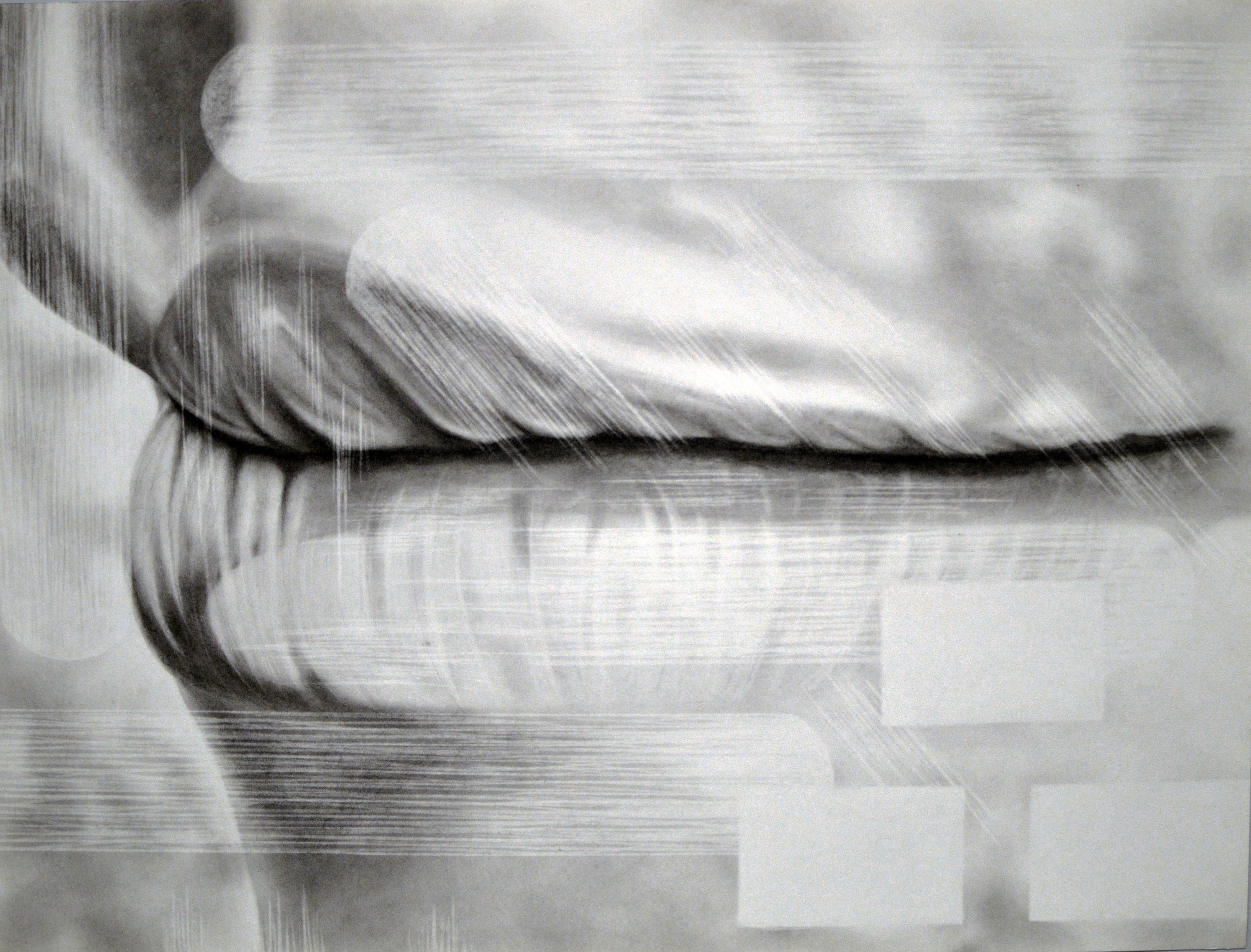
 2018, pencil, 24 x 18 inches  I developed a recurring visual structure in which areas of detailed observation emerge within flowing, linear forms. Parts of the figure remain sharply rendered while others dissolve into sketchier marks, erased spaces,

2018, pencil, 24 x 18 inches

I developed a recurring visual structure in which areas of detailed observation emerge within flowing, linear forms. Parts of the figure remain sharply rendered while others dissolve into sketchier marks, erased spaces, or abstraction. Repetition became another way to reconsider the body, particularly through drawings of hands in overlapping and distorted positions. These works allowed me to push familiar forms toward ambiguity while maintaining a connection to direct observation.
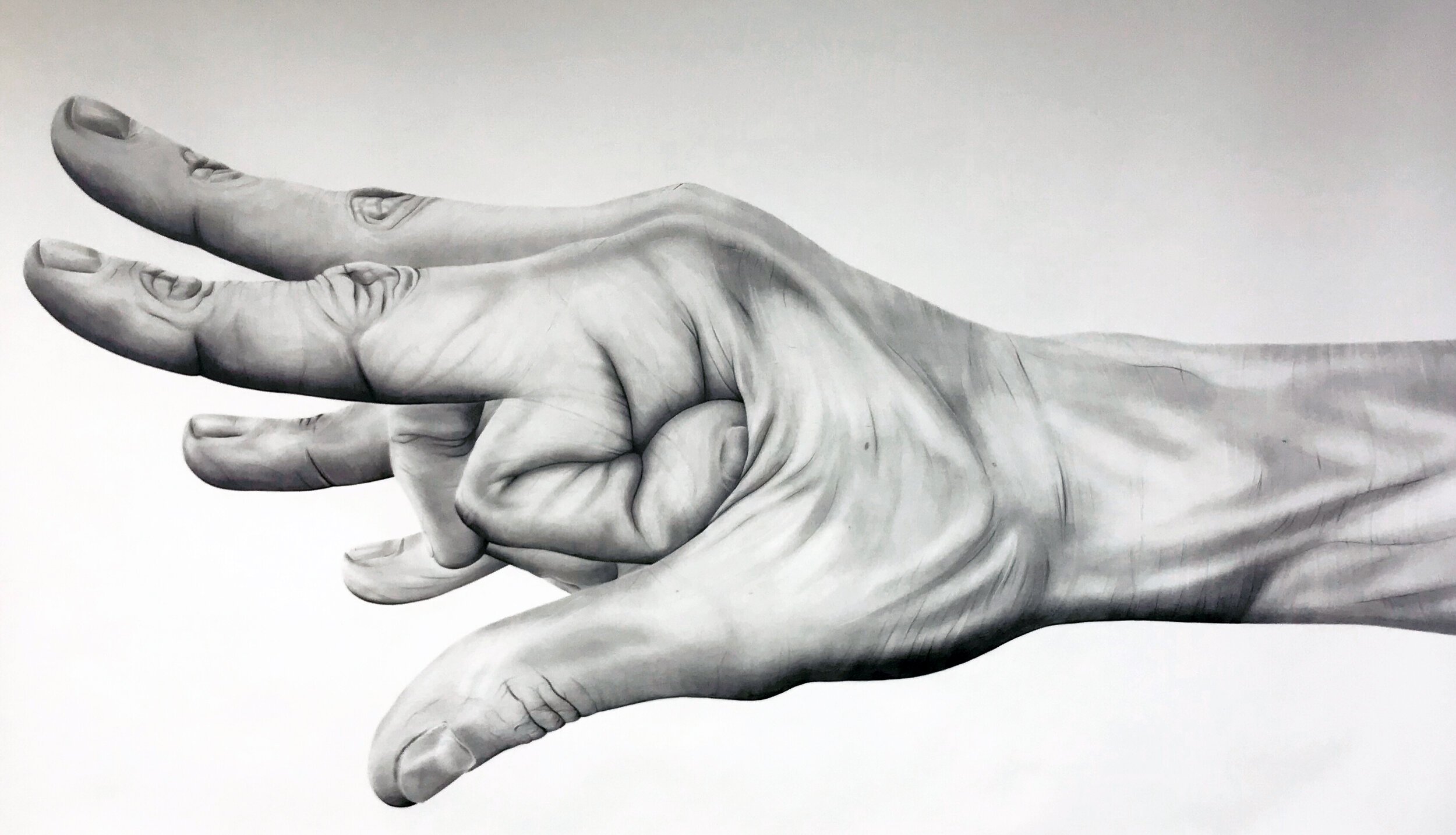
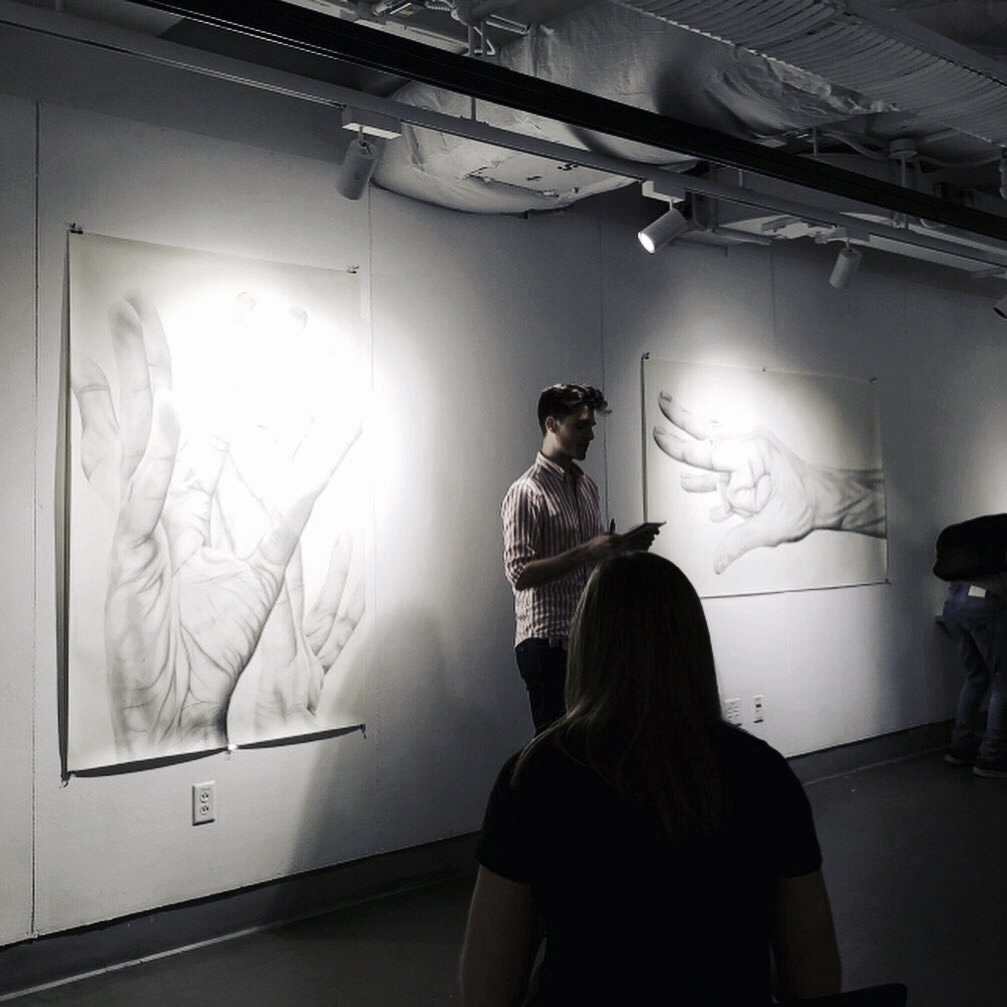
 2019, pencil, 3.5 feet x 6 feet  This large-scale graphite drawing combines three overlapping views of my hand into a single, continuous form. Although each hand is rendered with careful detail, their positions create an ambiguous figure in which it

2019, pencil, 3.5 feet x 6 feet

This large-scale graphite drawing combines three overlapping views of my hand into a single, continuous form. Although each hand is rendered with careful detail, their positions create an ambiguous figure in which it becomes difficult to determine where one hand ends and the other begins. I was interested in using realistic observation to create an image that feels physically convincing while simultaneously challenging the viewer’s understanding of the body.
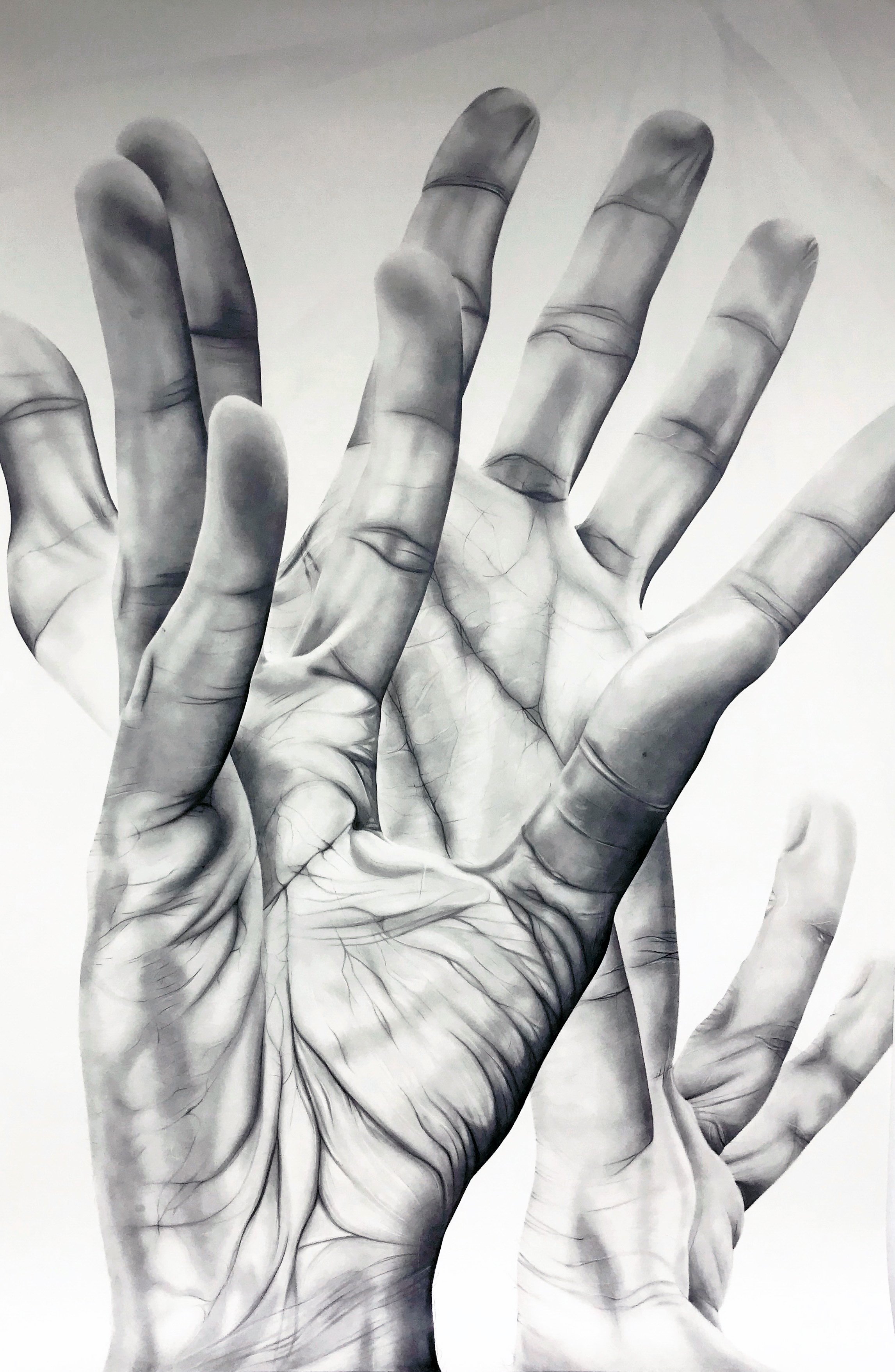
 2019, pencil, 3.5 feet x 6 feet  Repeated images of my hand fill the composition, with exaggerated wrinkles and folds of the skin. Through repetition and close observation, recognizable anatomical details begin to function more like lines, patterns,

2019, pencil, 3.5 feet x 6 feet

Repeated images of my hand fill the composition, with exaggerated wrinkles and folds of the skin. Through repetition and close observation, recognizable anatomical details begin to function more like lines, patterns, and abstract marks than descriptions of the body.
hands1.jpg
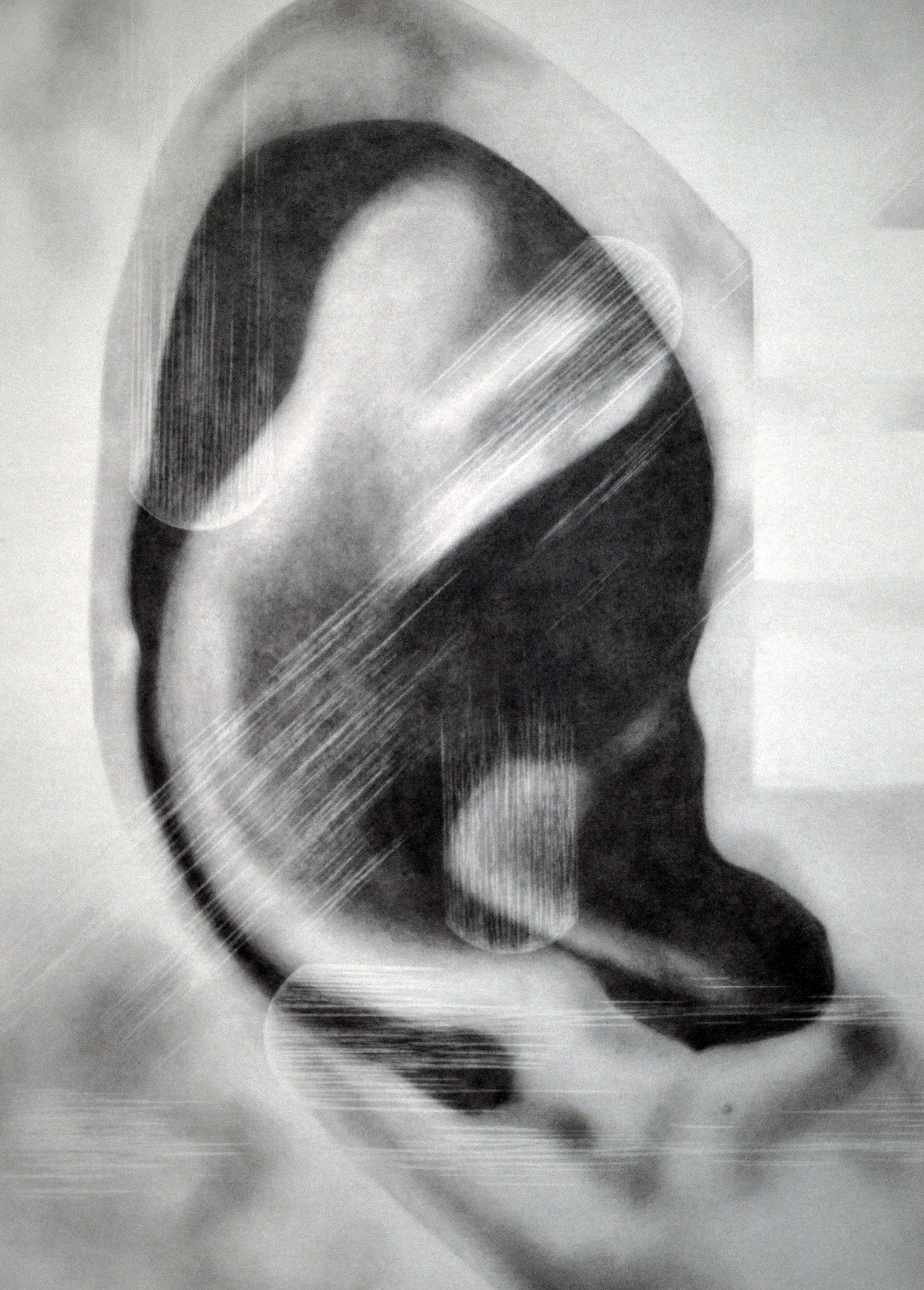
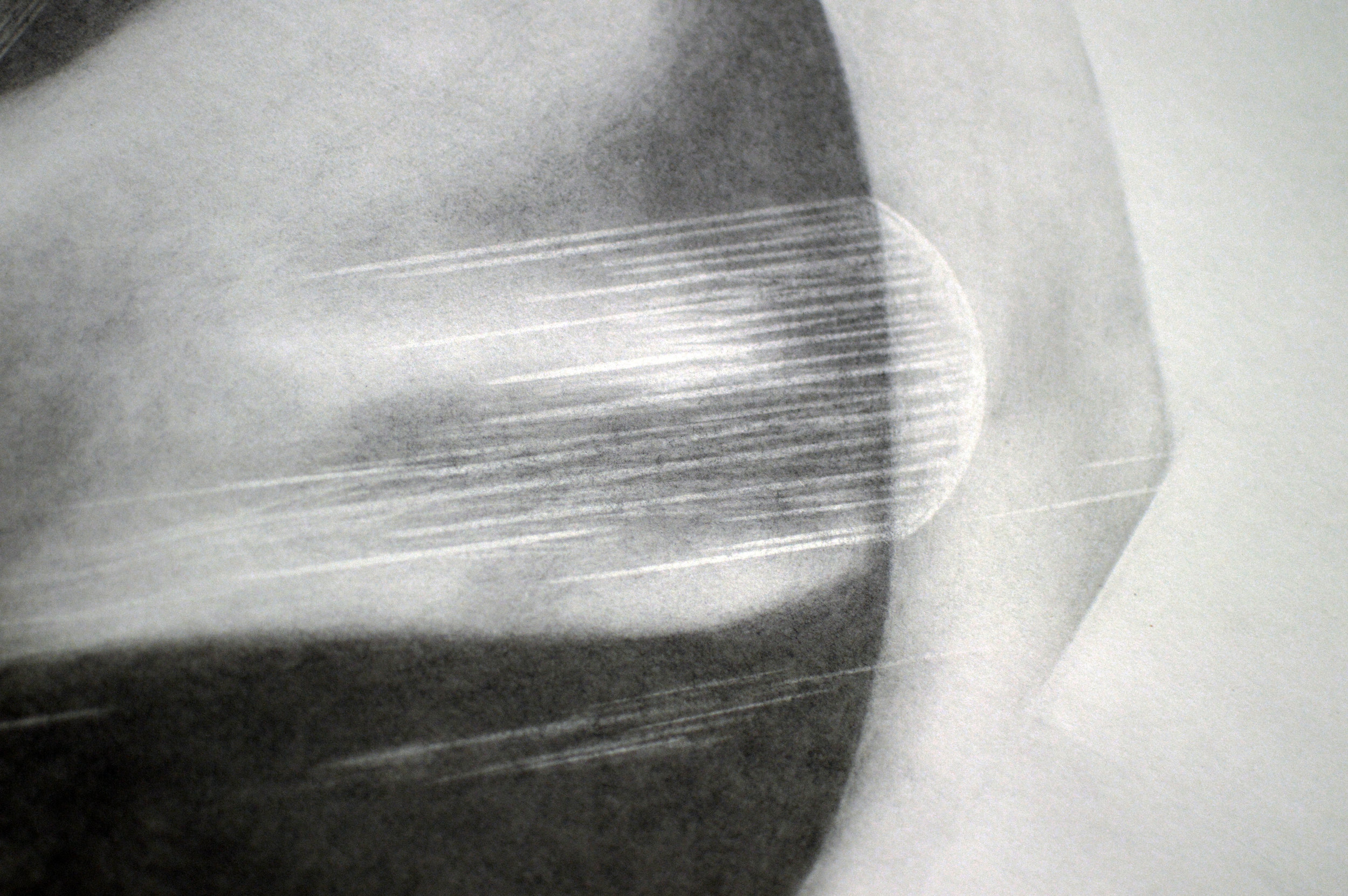
 2018, pencil, 36 x 24 inches  A study of the ear emerges with flowing lines and erased forms. Areas of the drawing are deliberately removed, creating a contrast between precise observation and ambiguity. The erased rectangles interrupt the image and

2018, pencil, 36 x 24 inches

A study of the ear emerges with flowing lines and erased forms. Areas of the drawing are deliberately removed, creating a contrast between precise observation and ambiguity. The erased rectangles interrupt the image and draw attention to the physical process of constructing and removing an image.
 Detail view

Detail view

 2018, pencil, 24 x 36 inches

2018, pencil, 24 x 36 inches

 Detail view

Detail view

 2018, chalk and grass, 18 x 12 inches  This work extends the flowing linear structures from my graphite drawings into color. Rather than depicting the body, I focused on exploring abstraction independent of recognizable imagery.

2018, chalk and grass, 18 x 12 inches

This work extends the flowing linear structures from my graphite drawings into color. Rather than depicting the body, I focused on exploring abstraction independent of recognizable imagery.

 2018, chalk and grass, 18 x 12 inches

2018, chalk and grass, 18 x 12 inches

 2018, pencil, 24 x 18 inches  During my graduate residency at the Massachusetts College of Art and Design, I used drawing as a way to investigate the relationship between observation and abstraction. I continued working from the human body, particul
 2018, pencil, 24 x 18 inches  I developed a recurring visual structure in which areas of detailed observation emerge within flowing, linear forms. Parts of the figure remain sharply rendered while others dissolve into sketchier marks, erased spaces,
 2019, pencil, 3.5 feet x 6 feet  This large-scale graphite drawing combines three overlapping views of my hand into a single, continuous form. Although each hand is rendered with careful detail, their positions create an ambiguous figure in which it
 2019, pencil, 3.5 feet x 6 feet  Repeated images of my hand fill the composition, with exaggerated wrinkles and folds of the skin. Through repetition and close observation, recognizable anatomical details begin to function more like lines, patterns,
hands1.jpg
 2018, pencil, 36 x 24 inches  A study of the ear emerges with flowing lines and erased forms. Areas of the drawing are deliberately removed, creating a contrast between precise observation and ambiguity. The erased rectangles interrupt the image and
 Detail view
 2018, pencil, 24 x 36 inches
 Detail view
 2018, chalk and grass, 18 x 12 inches  This work extends the flowing linear structures from my graphite drawings into color. Rather than depicting the body, I focused on exploring abstraction independent of recognizable imagery.
 2018, chalk and grass, 18 x 12 inches

2018, pencil, 24 x 18 inches

During my graduate residency at the Massachusetts College of Art and Design, I used drawing as a way to investigate the relationship between observation and abstraction. I continued working from the human body, particularly my own hands and face, while experimenting with ways to disrupt and transform highly rendered imagery.

2018, pencil, 24 x 18 inches

I developed a recurring visual structure in which areas of detailed observation emerge within flowing, linear forms. Parts of the figure remain sharply rendered while others dissolve into sketchier marks, erased spaces, or abstraction. Repetition became another way to reconsider the body, particularly through drawings of hands in overlapping and distorted positions. These works allowed me to push familiar forms toward ambiguity while maintaining a connection to direct observation.

2019, pencil, 3.5 feet x 6 feet

This large-scale graphite drawing combines three overlapping views of my hand into a single, continuous form. Although each hand is rendered with careful detail, their positions create an ambiguous figure in which it becomes difficult to determine where one hand ends and the other begins. I was interested in using realistic observation to create an image that feels physically convincing while simultaneously challenging the viewer’s understanding of the body.

2019, pencil, 3.5 feet x 6 feet

Repeated images of my hand fill the composition, with exaggerated wrinkles and folds of the skin. Through repetition and close observation, recognizable anatomical details begin to function more like lines, patterns, and abstract marks than descriptions of the body.

2018, pencil, 36 x 24 inches

A study of the ear emerges with flowing lines and erased forms. Areas of the drawing are deliberately removed, creating a contrast between precise observation and ambiguity. The erased rectangles interrupt the image and draw attention to the physical process of constructing and removing an image.

Detail view
2018, pencil, 24 x 36 inches
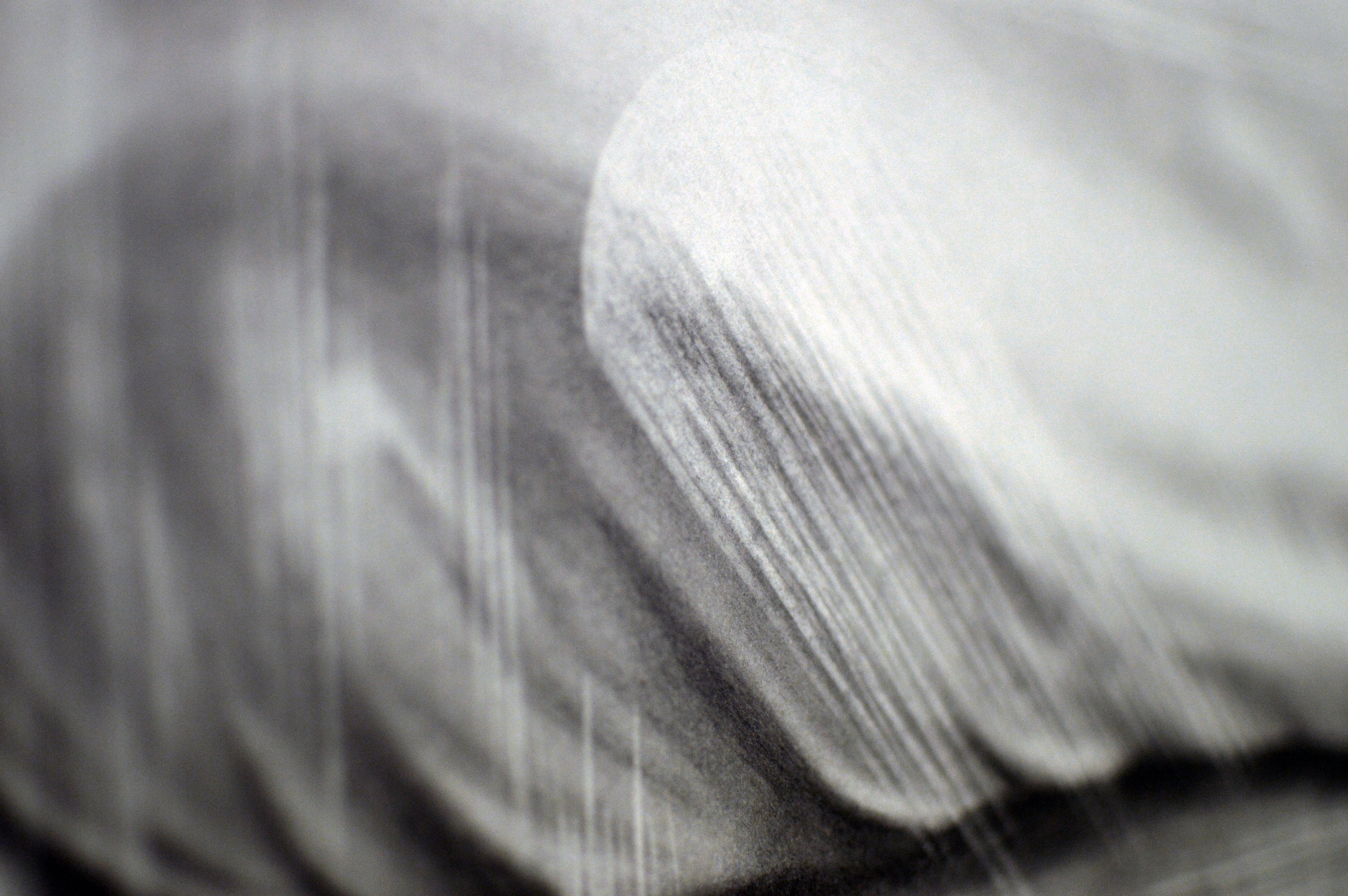
Detail view
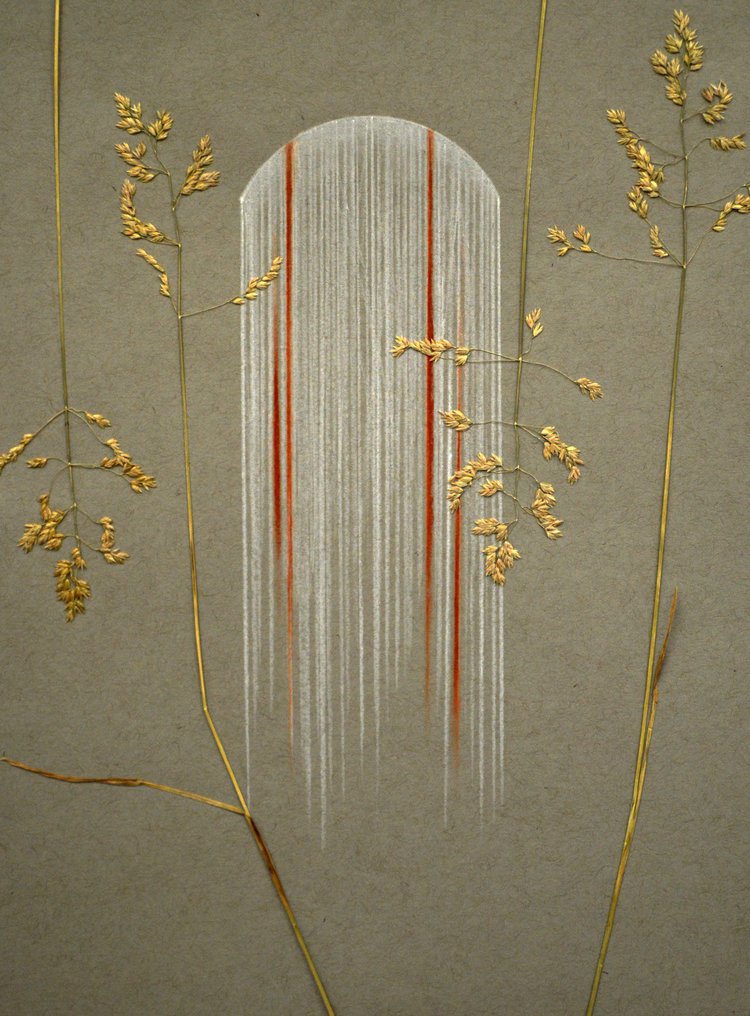
2018, chalk and grass, 18 x 12 inches

This work extends the flowing linear structures from my graphite drawings into color. Rather than depicting the body, I focused on exploring abstraction independent of recognizable imagery.
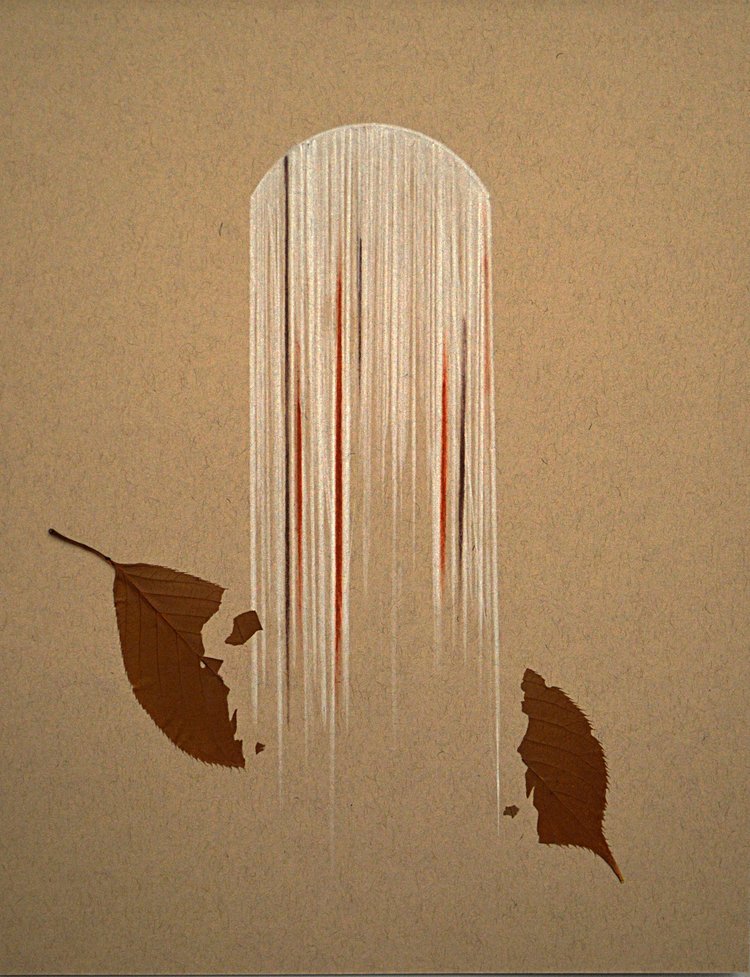
2018, chalk and grass, 18 x 12 inches

show thumbnails